

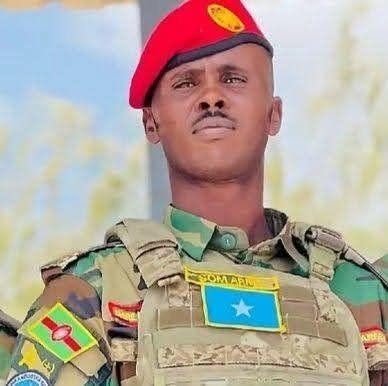
Following reports that the United States intends to end its support for UN assistance to the African Union mission in Somalia after 2026, concerns have grown that Al-Shabaab could exploit a security vacuum. Yet testimony from the front line offers a different assessment. Somalia’s National Army is no longer weaker than the insurgency in direct combat. Its real disadvantage is insufficient manpower, mobility and logistical capacity to control the country’s vast rural terrain. Rather than maintaining foreign forces indefinitely, international partners should begin transferring more resources toward building a larger and self-sustaining Somali military.

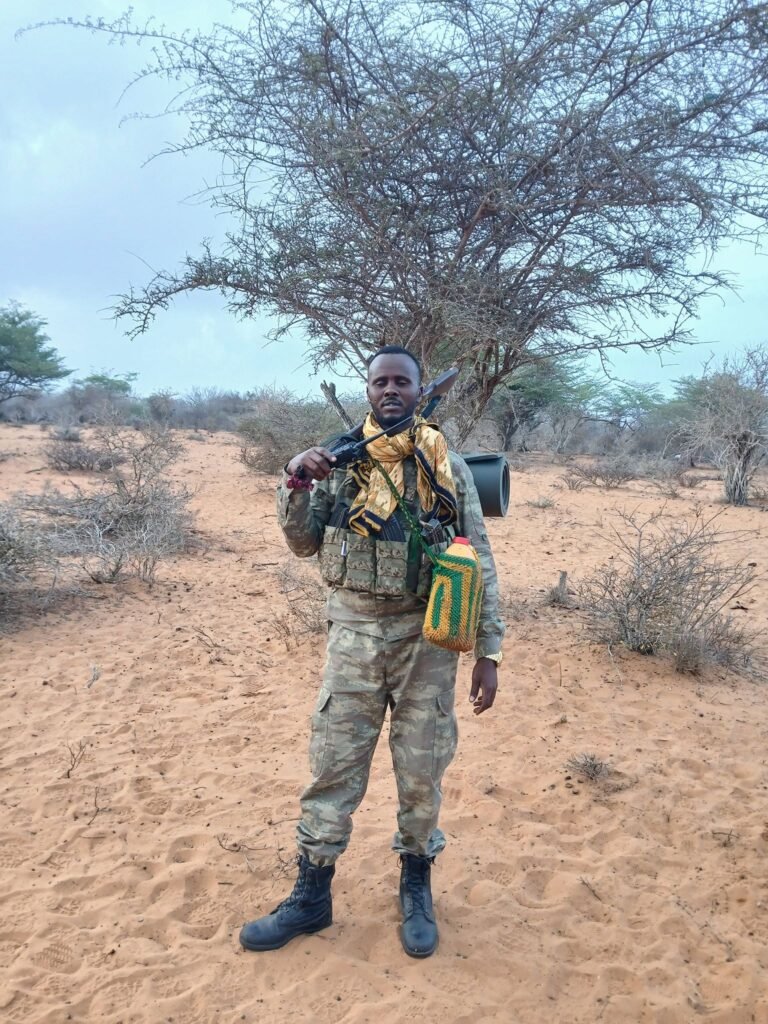
One soldier making that argument is Mr. Salat, a veteran with more than 12 years of service who is now part of the Turkish-trained Gorgor commandos. He has fought on numerous fronts, suffered multiple wounds and served during years when Somali soldiers sometimes went unpaid, fought while hungry and lacked even reliable ammunition. “We continued because we could not abandon our people to the enemy,” he recalled. Today, however, he says the situation has fundamentally changed: “For the first time in my military career, I feel that there is a Somali state standing behind me. If I die today, I die knowing that my nation stands behind my family.”

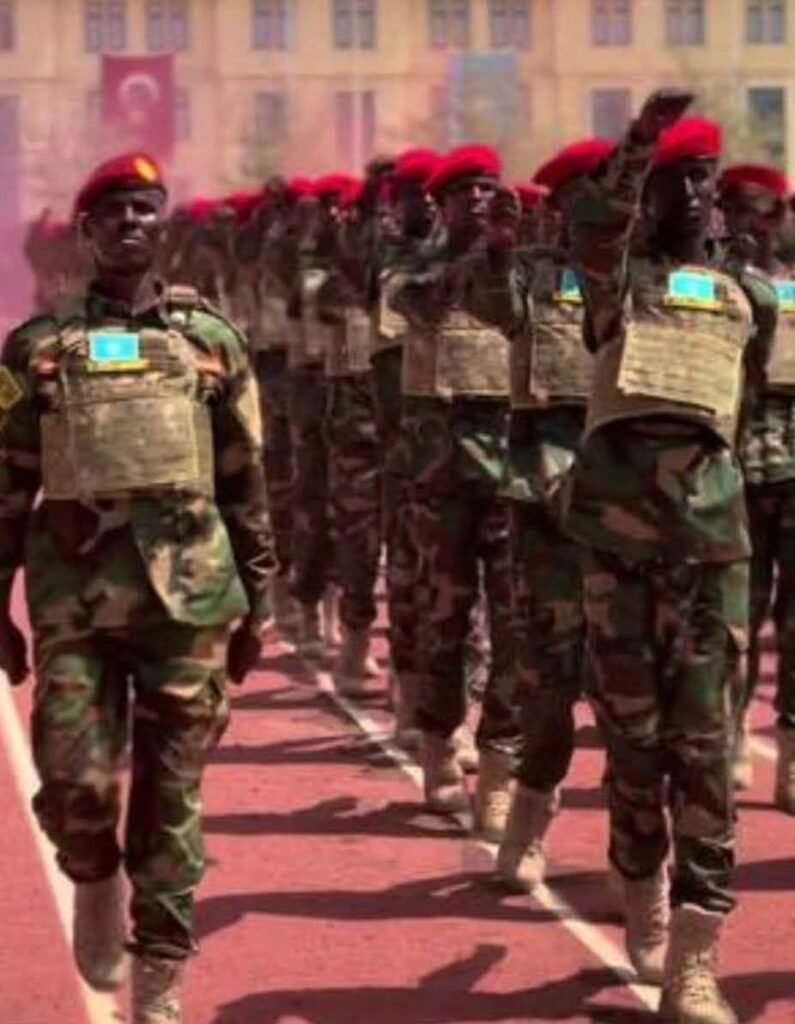
Salat has spent the past six months at a forward position where Al-Shabaab operates less than three kilometres away. His unit now benefits from intelligence support, drone surveillance, emergency medical supplies and combat packs containing enough food and water for more than 48 hours. He says militants increasingly avoid direct confrontation, sometimes hiding their weapons and attempting to infiltrate government positions disguised as civilians. The transformation is striking: a soldier who once fought without food or salary now deploys with aerial surveillance, haemorrhage-control equipment and confidence in his chain of command. Somalia has not merely acquired better weapons; it is rebuilding the relationship between the soldier and the state.
The remaining problem is geography. After being pushed away from several major population centres, Al-Shabaab dispersed across remote areas where poor roads, long distances and limited government presence favour insurgent mobility. Somali units may clear these territories, but without enough soldiers, helicopters, protected vehicles and regional supply bases, they cannot simultaneously pursue militants and hold every recovered district. Salat estimates that Somalia may require as many as 70,000 highly trained troops—his personal battlefield assessment, not an official force requirement, supported by conventional infantry, engineers, medics, aviation units, police and reliable logistics.
Salat acknowledges the sacrifices of African Union troops and has fought alongside them. His message is not that Africa should abandon Somalia, but that African assistance must evolve: from maintaining foreign formations to training, equipping and sustaining Somali ones. AUSSOM’s greatest legacy should not be how long it remained, but whether Somalia could stand securely after its departure. The strategic choice is therefore not between an indefinite foreign presence and a reckless withdrawal. It is a conditions-based transition that places Somali forces at the centre. Somalia does not need others to fight its war forever; it needs the manpower, mobility and institutions required to finish it.


