
OSINT Security Assessment – October 18, 2026
Research and Security Monitoring
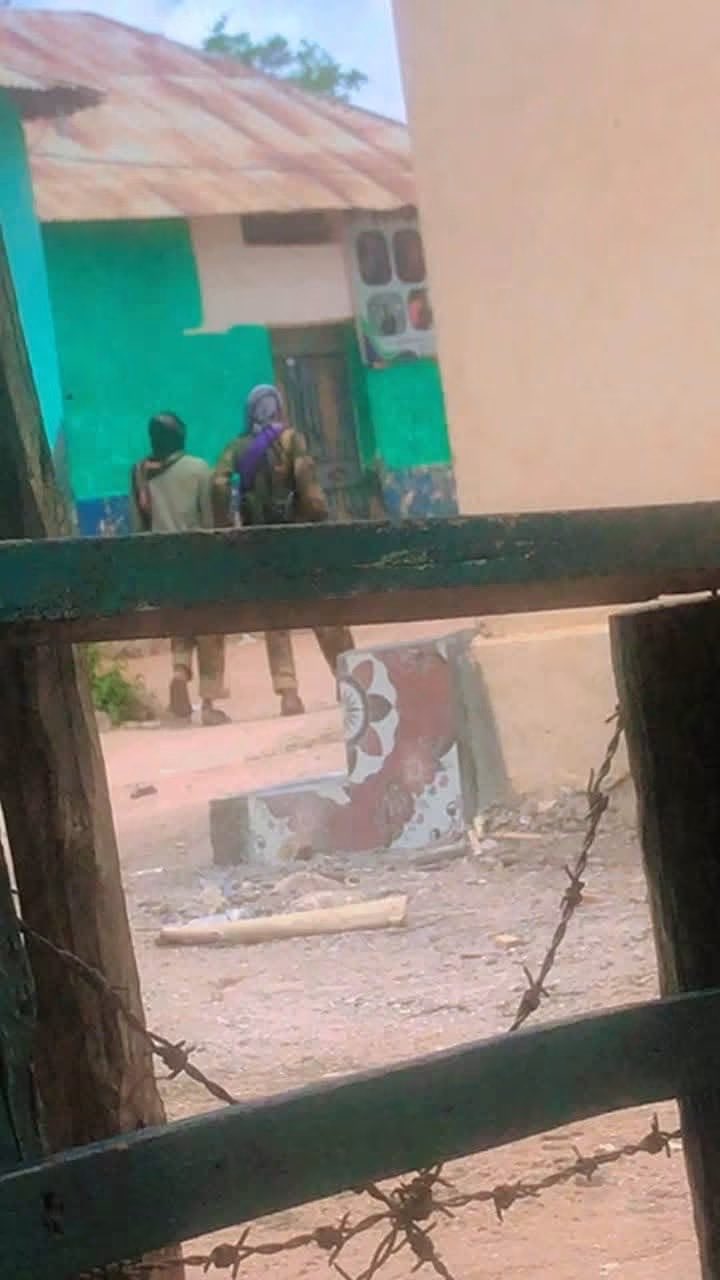
Over the past three weeks, through systematic monitoring of Al-Shabaab-affiliated media networks, social-media publications, and direct communication with local sources in Somalia, I have collected photographic evidence and reports concerning recent armed movements in Diinsoor and Bardaale, Bay Region. Local sources I contacted during my investigation corroborated information about the locations and identities of individuals appearing in the material. Their accounts indicate the presence of suspected Al-Shabaab operatives alongside armed personnel described as loyal to former South West State leader Abdiaziz Laftagareen.
Sources have also identified Hassan Yacquub Ali and Jacfar Abuu Xamsa among the individuals reportedly present. According to the Somali National Army Facebook account, Jacfar Abuu Xamsa was wounded during a Somali National Army operation in Buulo Fulay, Bay region, on September 4, 2026, in which several Al-Shabaab members were reportedly killed. It seems to have survived the operation and escaped with injuries. These findings warrant immediate attention because of the potential security implications for civilians and humanitarian organizations operating in the area.
The historical record shows why this security warning matters. For nearly two decades, humanitarian personnel operating in Somalia have faced targeted killings, intimidation, abductions, and attacks by armed extremist groups, including Al-Shabaab, the al-Qaeda-affiliated organization. Among the humanitarian workers killed during this period were Ibrahim Hussein Duale and Mohamud Omar Moallim (WFP, 2009); Muhyedin Yarrow, Mohamed Salad, and Abdulahi Ali (WFP and its partner organization Doyale, 2011); Ahmad Mohamed Noor (Islamic Relief, Bay region, 2012); and Abdurrahim Yörük and a Somali colleague (humanitarian aid workers, 2024). Earlier, Mukhtar Mohammed Hassan, a UNICEF employee, was killed in Bakool in 2008. These cases form part of the broader historical record of violence against humanitarian personnel, although responsibility for each killing must be assessed separately. Of particular relevance is the May 23, 2020, attack in Diinsoor, which killed a local women’s leader and an NGO staff member. Al-Shabaab claimed responsibility, and official reporting documented the incident.
Local contacts consulted during my investigation have additionally linked Hassan Yacquub Ali to historical attacks targeting humanitarian workers.
URGENT SECURITY WARNING TO THE UNITED NATIONS, WFP, UNICEF, INTERNATIONAL NGOs, AND SOMALI SECURITY AUTHORITIES: This assessment is being issued as an early warning intended to prevent further attacks against innocent civilians and humanitarian personnel. Al-Shabaab has repeatedly demonstrated its capacity to exploit insecurity, intimidate communities, target aid workers, and carry out planned attacks. Therefore, incorporate the reported movements and associations identified through my monitoring and local-source reporting into appropriate security assessments. Humanitarian organizations operating in Bay region should urgently review staff safety arrangements, assess credible information about armed-group movements, coordinate with relevant security authorities, and ensure they investigate reported threats before deploying personnel into potentially dangerous environments.
This investigation aims to prevent another tragedy, not create public alarm. Humanitarian personnel must not be exposed to foreseeable threats that timely intelligence assessment and preventive security measures could have identified and addressed. Protecting innocent lives must remain the highest priority.
OSINT Research & Security Monitoring
