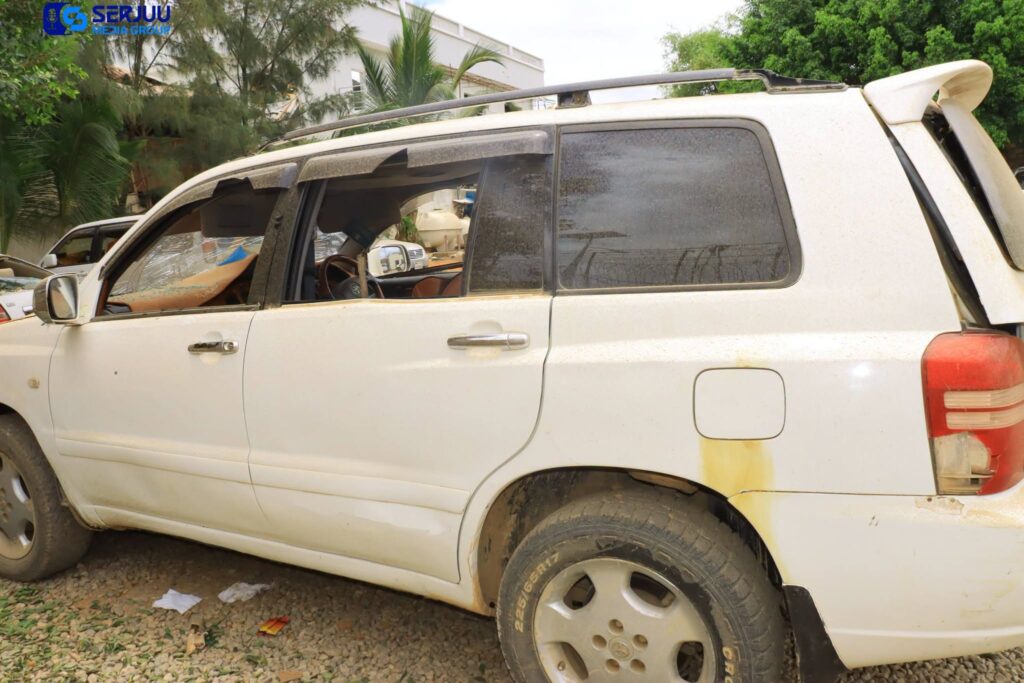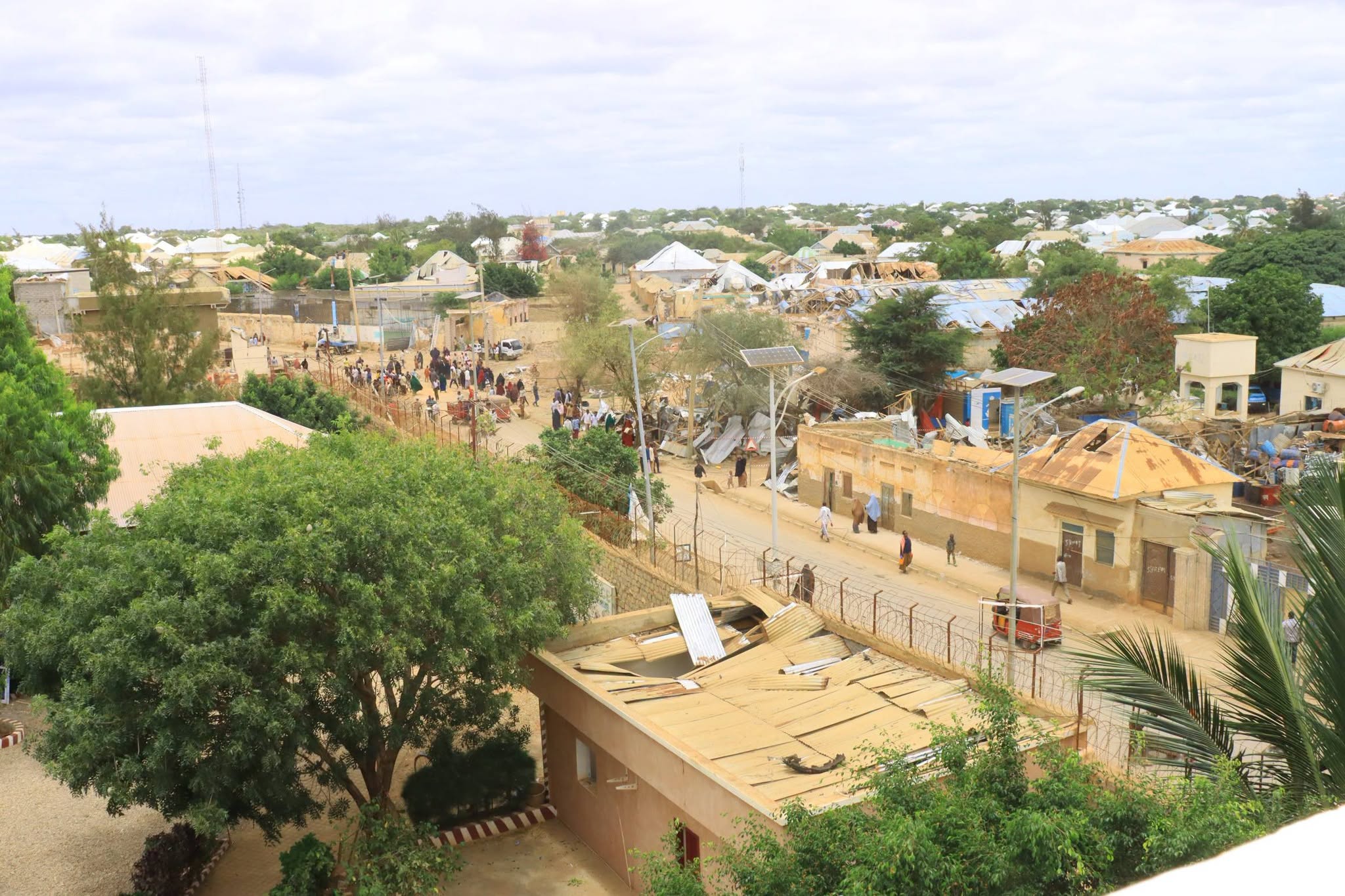
The relationship between forces aligned with former South West State leader Abdiaziz Laftagareen and Al-Shabaab is no longer based solely on allegations made by Somalia’s federal government.
Independent investigative reporting has corroborated contacts and tactical cooperation between the two sides.

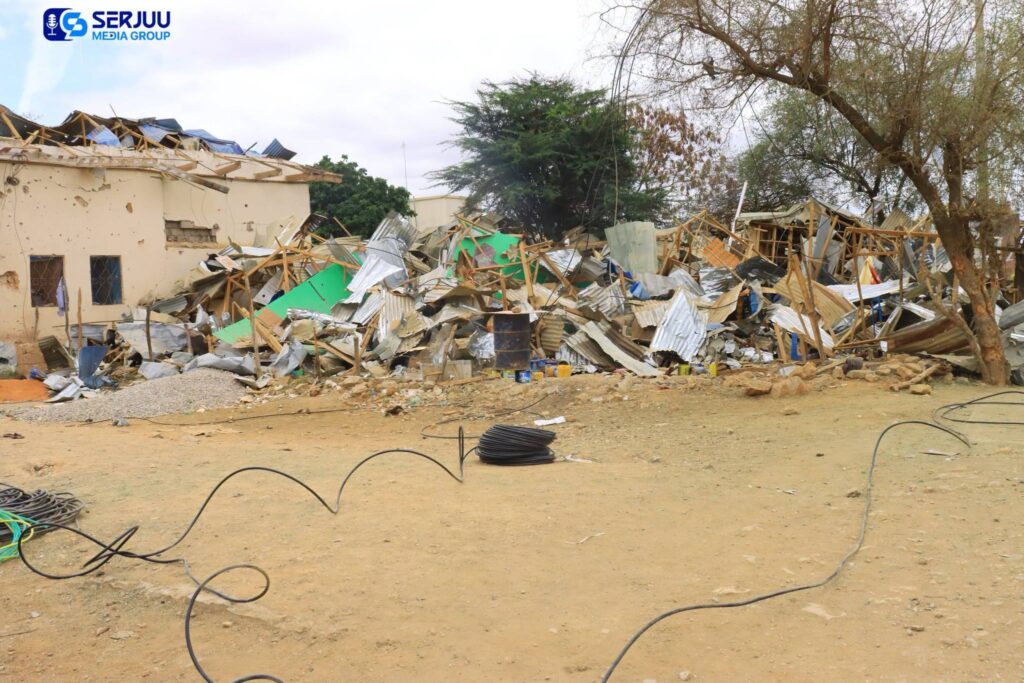
HiFiles reported that intelligence obtained in March 2026 showed that Laftagareen’s network and Al-Shabaab had established contact concerning the security and defense of Baidoa. The organization said it independently corroborated the underlying liaison through protected intelligence sources.
More significantly, HiFiles later corroborated reports that Laftagareen-aligned fighters and alleged Al-Shabaab members were operating together in the Gomorta area. Its reporting found evidence of joint presence and logistical activity and concluded that the available information supported an assessment that tactical cooperation and material support had occurred.
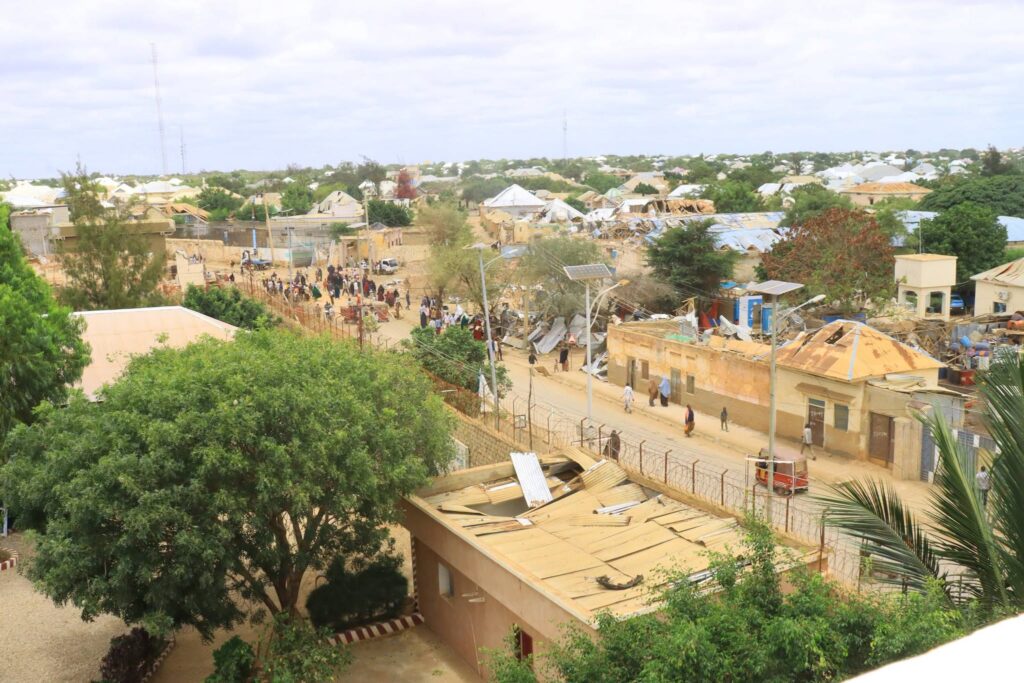
This background is important when examining the repeated armed attacks on Baidoa.
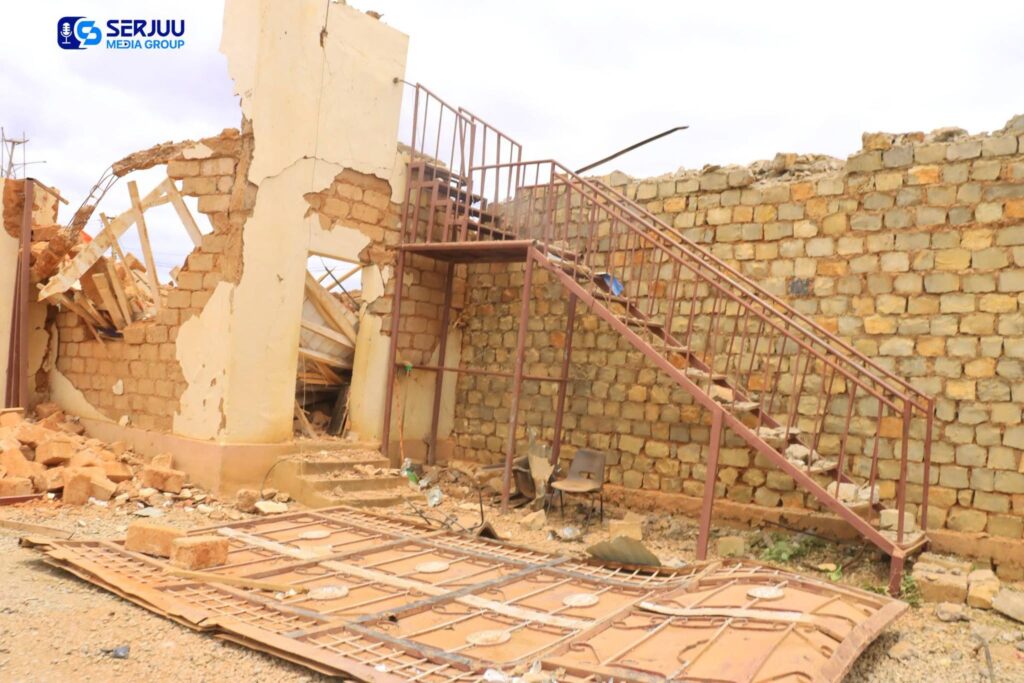
On September 3, Somalia’s Ministry of Defence said forces loyal to Laftagareen and Al-Shabaab fighters jointly attacked government positions in Baidoa. International reporting confirmed the participation of Laftagareen-aligned forces, although journalists covering that particular battle were unable to independently verify every element of the government’s battlefield account.
That does not erase the independently corroborated evidence established before the September fighting. The wider record already contains reporting of contact, liaison, joint presence and tactical cooperation between elements associated with Laftagareen and Al-Shabaab.
The distinction is therefore straightforward: whether every fighter participating in a specific Baidoa assault can independently be identified as belonging to one side or the other remains a battlefield-verification question. But evidence of prior cooperation between the two networks has been independently corroborated.
For Qaran24, the Baidoa conflict should therefore be examined not simply as a political dispute between Mogadishu and a former regional administration, but also through the documented security relationship that developed between Laftagareen-aligned elements and Al-Shabaab.