How Hosting Israeli-Linked Informants Could Ignite the Horn of Africa
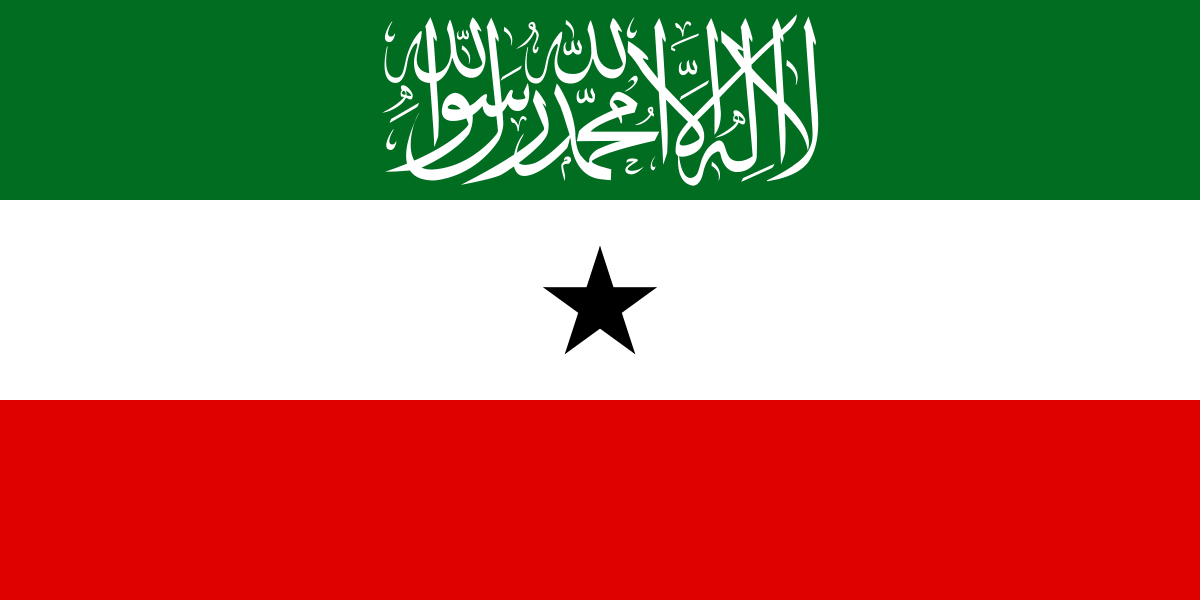
Let’s talk straight, If Somaliland were ever to accept thousands of individuals accused of collaborating with Israeli intelligence inGAZA war allegedly facilitated by lobbyies groups in exchange for diplomatic lobbying for international recognition the impact wouldn’t be local, slow, or manageable. It would be regional, immediate, and explosive.
This isn’t about ideology. It’s about geography, perception, and reaction. In fragile regions, perception is reality.
1. Strategic Geography Turns Somaliland into a Target
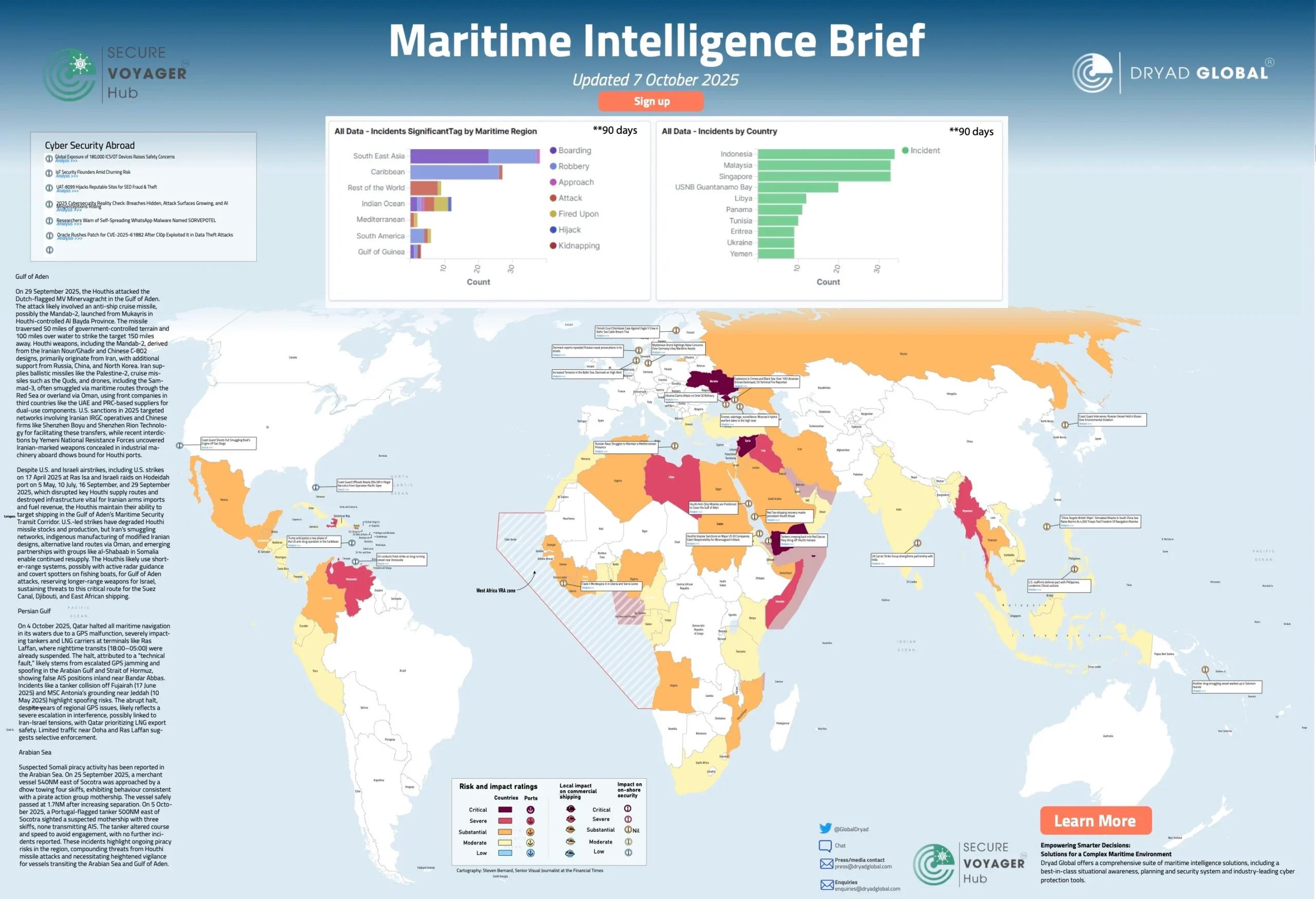
Somaliland sits near the Bab el-Mandeb Strait, one of the world’s most sensitive maritime chokepoints. Any move tying the territory—directly or indirectly—to Israeli intelligence would instantly internationalize its security profile.
Immediate consequences
- Increased surveillance and covert activity by foreign intelligence services
- Heightened naval presence in the Gulf of Aden
- Somaliland ports and infrastructure reclassified as legitimate targets by hostile actors including AL shabaab, ISIS, Houthis
2. Houthis will expand the Red Sea Battlefield
The Houthis have already demonstrated their willingness to strike shipping they associate with Israel or its allies. A perceived Israeli-linked presence across the water is all the justification they need.
Likely impacts
- Missile or drone threats aimed at Somaliland’s coastline
- Expansion of Red Sea–Gulf of Aden attacks
- Disruption of international trade routes, raising global shipping costs
This drags Somaliland into a war it neither controls nor can win.
3. Al-Shabaab new propaganda Gift Wrapped in Fire
For Al-Shabaab, this scenario is a dream headline. They thrive on framing Somalia and Somali lands as occupied, betrayed, or sold out.
Operational fallout
- Surge in recruitment using anti-Israel and anti-West narratives
- Increased attacks to “punish collaborators”
- Pressure on Somaliland communities through fear and assassinations
This wouldn’t stay confined to Somaliland. Southern and central Somalia would feel the ripple.
4. ISIS: Opportunistic Violence and Spectacle
Though smaller in numbers, Islamic State elements in the region are ruthless opportunists. Where attention goes, they follow.
Expected behavior
- High-casualty attacks designed for global headlines
- Attempts to outbid Al-Shabaab in brutality
- Exploitation of chaos to expand cells and funding
When extremists compete, stability evaporates.
5. Clan Dynamics: The Silent Fuse
Somaliland’s relative calm rests on clan consensus and local legitimacy, not overwhelming force. A secretive foreign deal fractures that foundation.
Internal consequences
- Accusations of elite betrayal
- Protests escalating into armed standoffs
- Rival clans aligning with external actors for protection
Once clans polarize, no amount of foreign lobbying can glue things back together.
6. Diplomatic Backfire: Recognition Becomes More Distant
Ironically, the very prize allegedly sought—international recognition—moves further out of reach.
Why?
- States avoid recognizing entities entangled in intelligence scandals
- Neighbors fear spillover instability
- Global powers prefer predictability, not controversy
Recognition is built on trust. This scenario burns it.
7. Regional Domino Effect
Neighboring countries would not remain neutral observers.
- Somalia’s federal government faces pressure to respond
- Ethiopia and Djibouti reassess border and port security
- The Red Sea becomes further militarized
The Horn of Africa, already strained, shifts from fragile balance to open tension.
Conclusion: A Deal That Sets the House on Fire
This hypothetical arrangement isn’t diplomacy—it’s a controlled demolition that no one controls once the fuse is lit. Somaliland would trade long-term stability for short-term promises, while militant groups, regional rivals, and global powers rush to exploit the fallout.
Old-school wisdom still applies:
You don’t invite global intelligence wars into a fragile region and expect peace to survive. Qaran24 security desk