

My generation grew up in Somalia during the civil war. We never experienced the peace that earlier generations remembered. We knew a country where armed groups controlled neighborhoods, families fled their homes, and planning for tomorrow was often a luxury. We learned to live with uncertainty because we had no choice. Today, many of us are experiencing something we once thought was beyond our reach: ordinary life. People go to work, collect their salaries, support their families, and make plans for the future. These may seem like small things in other countries. For those who grew up during Somalia’s darkest years, they mean a great deal.
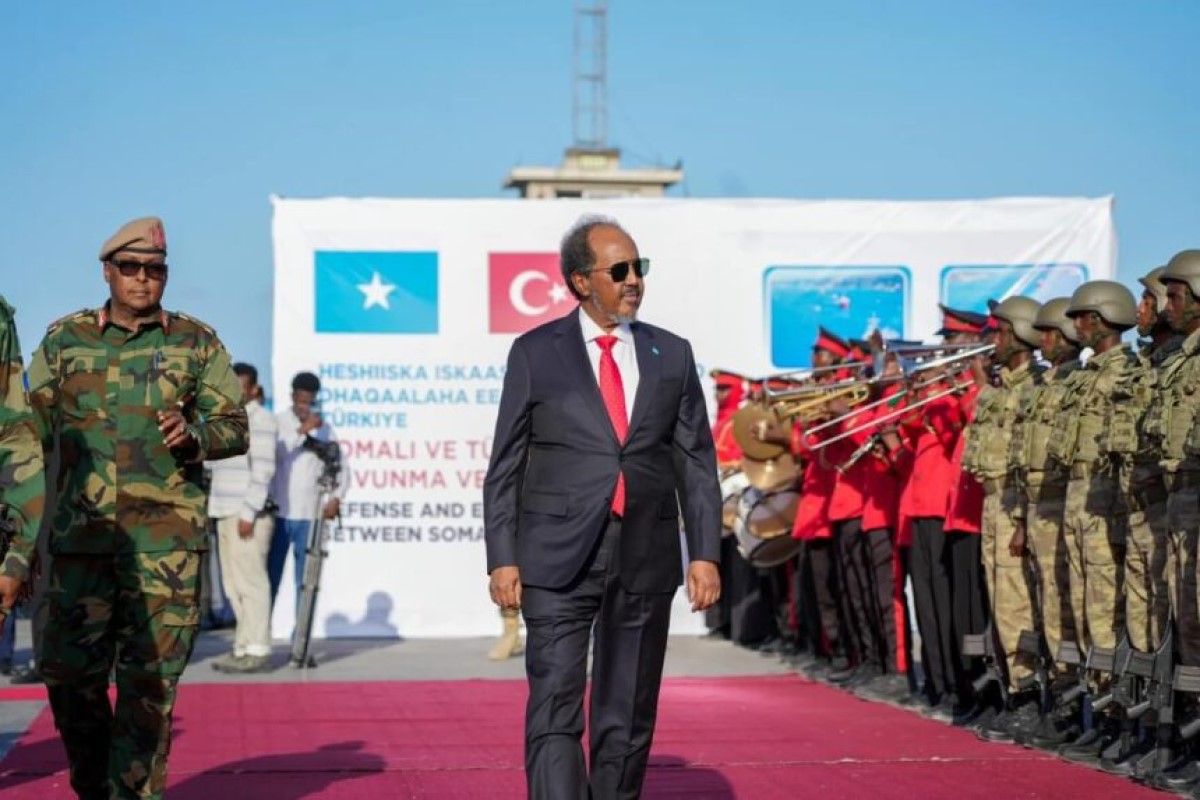
That experience influences how we judge President Hassan Sheikh Mohamud. Mogadishu has changed. Businesses are expanding, construction continues, and many residents can go about their daily lives with less fear than in previous decades. Al-Shabaab remains a serious threat, and attacks still occur, but the city is no longer defined solely by the violence that once dominated it. It would be unfair to credit one president with this transformation. Successive administrations, security forces, business owners, and ordinary citizens have all played a part. Hassan Sheikh Mohamud’s government has contributed to that process, and its achievements deserve recognition alongside its failures.
There are also reasons to examine the direction of the Somali state with cautious optimism. Debt relief, improvements in public financial management, and efforts to increase domestic revenue have created opportunities that seemed distant not long ago. Yet Somalia remains dependent on foreign assistance, unemployment is widespread, and disagreements over constitutional reform, elections, and federal relations continue to threaten political stability. Progress in one area does not excuse shortcomings in another. A government should receive credit for what it accomplishes and be held accountable for what it fails to deliver. That standard must apply to Hassan Sheikh Mohamud as much as to any future president.
For my generation, the question of political alternatives is therefore not about loyalty to one man. Somalia needs political competition, credible elections, and leaders who can be replaced peacefully. But those seeking power should explain how they intend to preserve security, strengthen public institutions, and address the problems that remain. The current administration must be held to the same standard. We have spent much of our lives waiting for the chance to live normally, and we do not want political rivalry to put that opportunity at risk. We are not asking Somalia to keep one president forever. We are asking its leaders to remember what it cost our generation to reach this point.
