
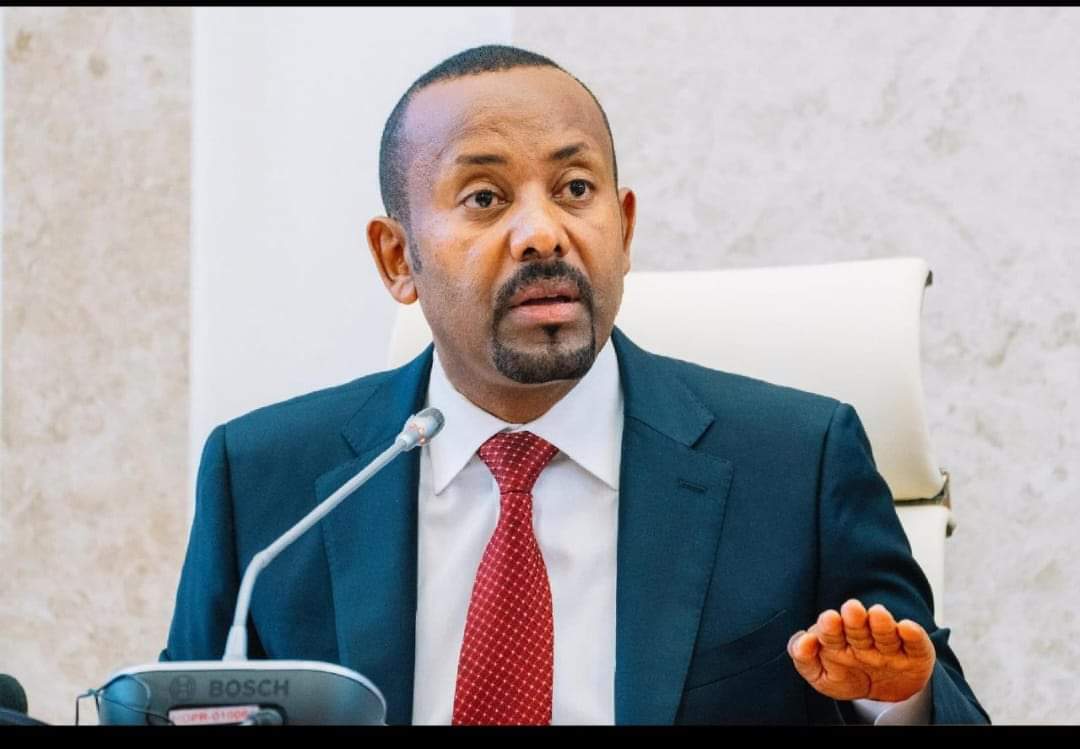
In recent times, the relationship between Ethiopia and the Federal Government of Somalia has been marked by a growing tension, particularly regarding Somalia’s efforts to arm its national army. While it is a standard practice for sovereign nations to equip their military forces for the sake of national security and territorial integrity, Ethiopia’s apprehension raises important questions about regional dynamics, sovereignty, and international norms.
A- The Right to Arm: A Sovereign Nation’s Dilemma
Every sovereign state has the intrinsic right to arm its military to defend itself. Ethiopia itself has historically engaged in similar practices, obtaining military aid and purchasing weapons from various countries, including Russia, China, Turkey, and the UAE, without eliciting significant objection from Somalia. This raises a pivotal question: why is Ethiopia now voicing concerns over Somalia’s military enhancements?
The federal government of Somalia, like any nation, has the right to engage in bilateral agreements with other countries to bolster its defense capabilities. This is particularly crucial as Somalia continues to confront the persistent threat posed by Al Shabab, a terrorist group responsible for numerous atrocities against the Somali people. The necessity for a strong national army is underscored by the need to ensure stability and security within its borders.
B- A Question of Boundaries and Responsibilities
Ethiopia’s stance raises fundamental questions about sovereignty and the rights of nations to self-defense. Is Ethiopia overstepping its boundaries by questioning Somalia’s right to equip its military? The principle of non-interference in the domestic affairs of sovereign states is enshrined in international law, and Ethiopia’s actions could be perceived as a violation of this principle.
Furthermore, the narrative that Ethiopia is worrying regarding Somalia’s military empowerment may reflect a deeper insecurity about its own role in the region. By framing Somalia’s actions as a potential threat, Ethiopia may be attempting to justify its military presence and involvement in Somali affairs, rather than acknowledging Somalia’s legitimate right to defend itself.
C- The Call for International Oversight
The situation calls for the attention of international bodies, including the United Nations (UN) and the African Union (AU). It is imperative that these organizations advocate for the sovereignty of Somalia and ensure that its right to self-defense is respected. The Somali government is not seeking to attack its neighbors but aims to eradicate the internal threats posed by groups like Al Shabab, which have long terrorized its citizens.
The assertion that Ethiopia should withdraw its troops from Somalia by the end of December 2024 aligns with the desire for Somalia to govern its own affairs without undue external influence. This is a fundamental aspect of national sovereignty and self-determination.
Conclusion
In conclusion, while Ethiopia’s apprehension regarding the arming of the Somali national army is rooted in historical and strategic concerns, it is crucial to respect Somalia’s sovereignty and its right to self-defense. The international community must play a proactive role in fostering dialogue and ensuring that the principles of sovereignty and non-interference are upheld. As Somalia continues to navigate its security challenges, it must be allowed to do so free from external pressures and with the full support of the global community.
