MOGADISHU, Somalia — In the late afternoon, when the heat softens and the city exhales, children gather along the beach in Mogadishu. They kick a worn ball across the sand, drift toward the water, and, every so often, glance up at the horizon.
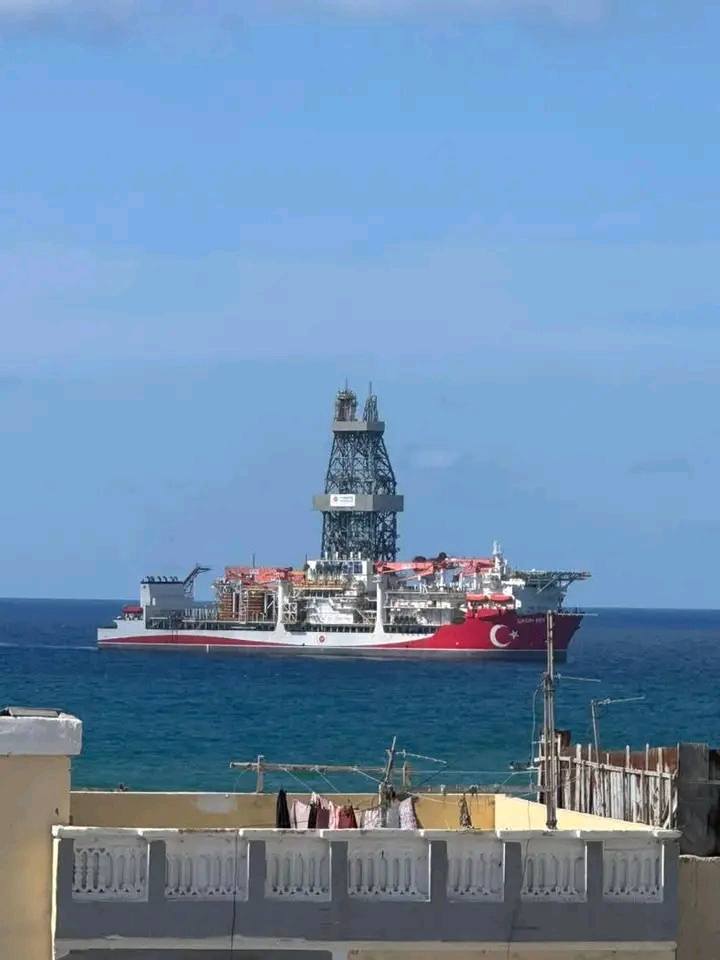
There, barely breaking the line between sea and sky, sits a ship.
It is not large from this distance. It does not announce itself. But it has altered the way people talk—quietly, cautiously—about what might come next.
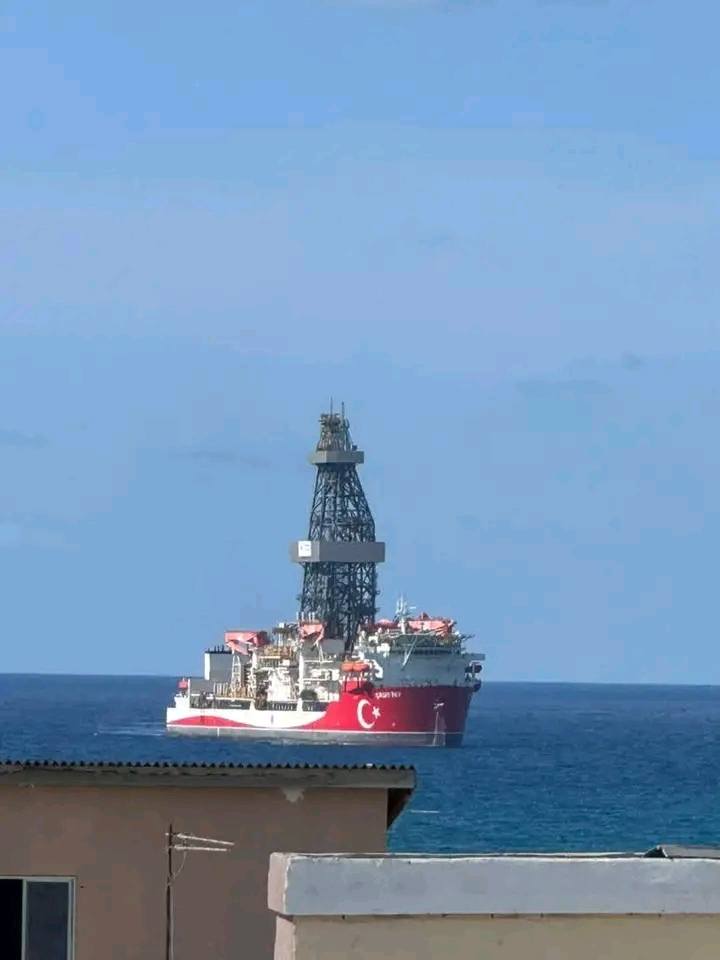
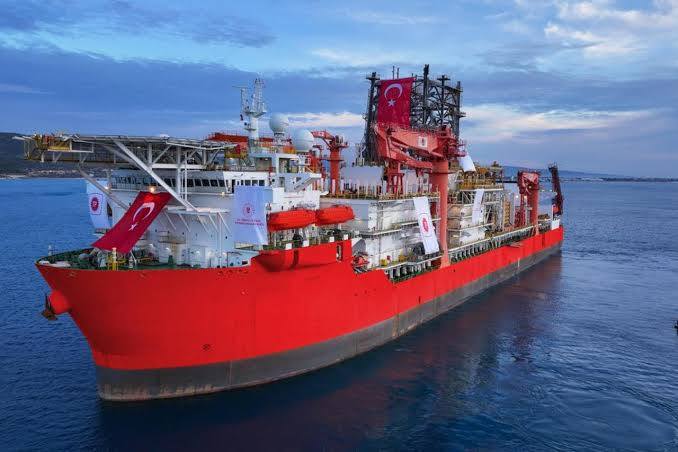
For years, Somalia’s offshore oil and gas reserves existed as a kind of national rumor: mapped in studies, discussed in ministries, invoked in speeches. Something known, but never touched. The arrival of a Turkish drilling vessel this week has shifted that balance, moving the country from speculation into the early stages of action.
The operation is being carried out with support from Turkey, a partner whose involvement in Somalia has grown steadily over the past decade.
What began with humanitarian aid during a period of acute crisis evolved into infrastructure projects, military training, and diplomatic alignment. Energy exploration represents a different kind of engagement—less visible, perhaps, but more consequential.
Officials describe it as a step toward economic independence. Critics, more cautiously, frame it as an arrangement that will require careful oversight. Both views can be true at once.
In resource development, the terms of partnership often matter as much as the resources themselves.
The Weight of Possibility
Somalia’s offshore basins are believed to hold significant hydrocarbon potential. If confirmed, they could transform the country’s fiscal landscape, reducing reliance on foreign assistance and creating new streams of revenue.
But the language of possibility carries its own risks.
Across the continent and beyond, oil wealth has produced sharply different outcomes—prosperity in some cases, prolonged instability in others. The determining factors are rarely geological. They are institutional: governance, transparency, and the distribution of benefits.
Somalia enters this phase with a complex political structure, balancing federal authority with regional interests. The question is not only how much oil lies offshore, but how its proceeds—if they come—will be managed onshore.