• About WordPress
    • WordPress.org
    • Documentation
    • Learn WordPress
    • Support
    • Feedback
  • Log in
  • AMP
    • View AMP version
  • Edit Home Page
Close Menu
Qaran24 | Somali News – latest Update in Somalia & Quick News
  • Home
  • Warka
  • News English
  • Opinion
  • Business
  • Contact Us
  • About us
  • Authors
  • Privacy Policy
Categories
  • Authors
  • Awdal State
  • Business
  • Galmudug
  • Hirshabelle
  • legal opinion
  • News English
  • Opinion
  • Puntland
  • Somalia
  • Somaliland
  • SSC Khaatumo
  • Warka
X (Twitter)
X (Twitter)
Qaran24 | Somali News – latest Update in Somalia & Quick News
  • Home
  • Warka
  • News English
  • Opinion
  • Business
  • Contact Us
  • About us
  • Authors
  • Privacy Policy
Tuesday, December 9
Qaran24 | Somali News – latest Update in Somalia & Quick News
  • Home
  • Warka
  • News English
  • Opinion
  • Authors
  • About us
  • Contact Us
qaran24.com » Awdal State » Northern Somalia’s Hidden Reset: Why Awdal, for the First Time in Decades, Is Choosing Its Own Future
Awdal State

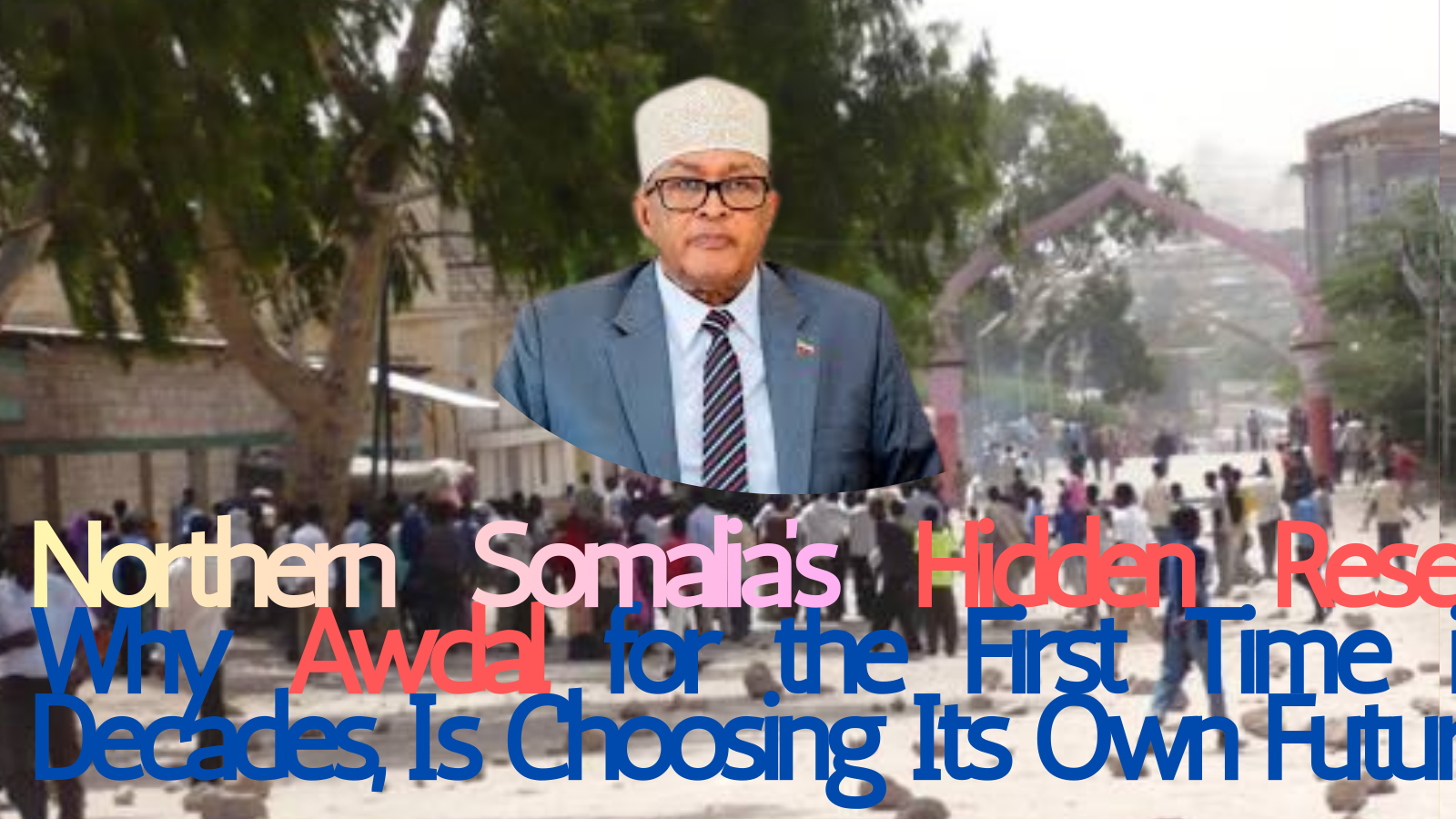
Northern Somalia’s Hidden Reset: Why Awdal, for the First Time in Decades, Is Choosing Its Own Future

Osman OmarBy Osman Omar6 December 2025Updated:6 December 2025No Comments4 Mins Read
Facebook Twitter Pinterest LinkedIn Tumblr WhatsApp VKontakte Email
Northern Somalia’s Hidden Reset: Why Awdal, for the First Time in Decades, Is Choosing Its Own Future
Share
Facebook Twitter LinkedIn Pinterest Email

If you want to understand what is happening in Borama today, you must start long before modern politics, long before the old Somali state collapsed, and even before the map of Somalia was drawn.
You must go back to the world that shaped Somali identity for centuries — a world governed not by parliaments or constitutions, but by clans, xeer, and traditional authority.

Before the modern state, clan power wasn’t chaos — it was order

Somalis lived under a system that outsiders rarely understood. It was unwritten but remarkably functional. Territories were not carved by colonial lines. They were defined by relationships, alliances, grazing cycles, and heritage.

A clan wasn’t simply a “political group.”
It was:

  • the social safety net,
  • the justice system,
  • the defense force,
  • and the economic foundation.

Pastoral wealth — especially camel herds — determined influence, territory, and negotiation power. For generations, this system held Somali society together.

Then modern politics arrived — and ignored everything that kept society stable

The Somali state built in the 20th century attempted to replace clan structures with imported political models. It created ministries, parliaments, and bureaucracies that did not align with how society actually functioned.
This mismatch produced stress fractures that deepened until the state collapsed in 1991.

Once the state disappeared, people fell back on what they trusted:
their clans, their xeer, and their traditional boundaries.

This marked the beginning of what we would today call a long, slow restructuring of clan power across the country.


The South hit rock bottom — then reinvented itself

Clan warfare devastated southern Somalia. Eventually, ordinary people got tired of the cycle. They wanted an authority that wasn’t tied to sub-clan rivalry. This is how the Islamic Courts movement emerged: a homegrown response to chaos.

But their rise frightened neighbors and international actors. Ethiopia intervened militarily, and in the vacuum that followed, Al-Shabaab grew into the insurgency the country still battles today.

The north avoided this kind of total collapse — but it paid another price: 30 years of political imbalance hidden under the surface.

Somaliland’s stability was real — but it wasn’t equally shared

For decades, Somaliland projected an image of calm governance. And yes, compared to the south, it seemed impressive. But internally, power sat almost entirely with one clan family: the Isaaq.

Other communities — Harti, Samaroon, Ciise — had limited influence.
Their political weight never matched their population, history, or geography.

This imbalance held for 30 years.
Until Laascaanood exploded in 2023.

Laascaanood 2023: The moment the story broke open

The uprising in Laascaanood did not simply remove Somaliland from Sool and Sanaag.
It broke the illusion that the region was politically unified. Local clans reclaimed their political agency, aligned with the Somali federal system, and reshaped the balance of power in the north. Now become the member of Somalia federal state 

It was the largest adjustment of clan authority in the region in decades.

Boorama is now going through its own reckoning

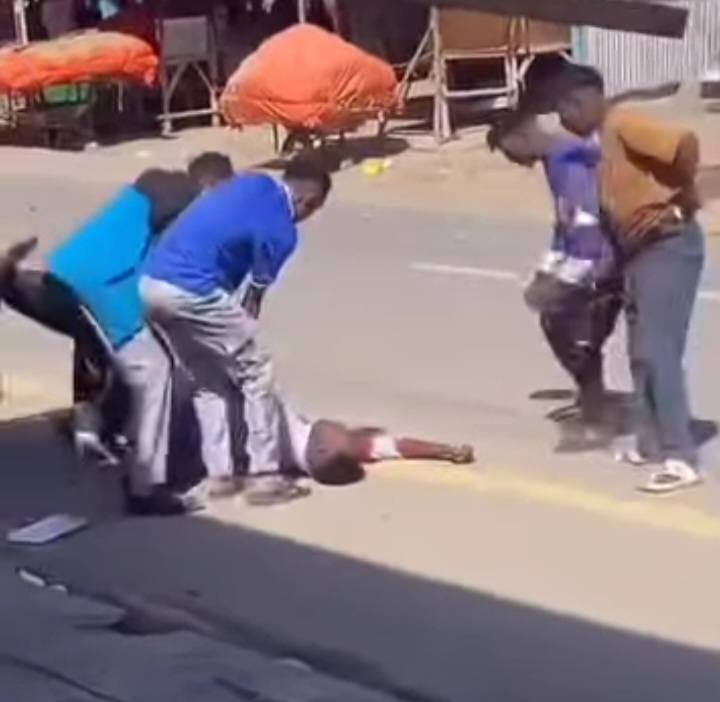
The clashes of the past 48 hours — tragic as they are — are not random. They are part of a long, quiet debate within Awdal about who gets to decide the region’s future.

Two major clans dominate the conversation:

Samaroon clan”

injured person

A community that feels its political weight has been overlooked for 30 years.
They see how Sool and Sanaag reclaimed their autonomy and are asking:
Why not us?
They want a political structure that connects directly with Mogadishu and gives Awdal real representation.

Ciise clan

A border-straddling clan, present in Ethiopia, Djibouti, and Somalia.
Their strategic position makes them wary of a breakaway Somaliland.
They face constant geopolitical pressure and see a united Somalia as essential to regional stability.
Boorama’s real question is simple — but historic

Awdal must decide:

  • Does it remain under Hargeisa’s political orbit?
  • Or does it build its own administration under Somalia’s federal system?
  • Does it open Borama’s airport and reconnect the region to national trade routes?

This is not just a political moment.
It is a generational turning point.

  •  Clans are redefining their futures
    Somaliland’s internal cohesion is being tested
    The north is entering a new political chapter

And for the first time in decades, Awdal is the one holding the pen.

Share. Facebook Twitter Pinterest LinkedIn Tumblr WhatsApp Email
Previous ArticleWaqooyiga Somalia: Dib-u-Habaynta Awoodda Qabiilka oo Furaysa Cutub lagu Fasiri Kari Waayey Muddo 34 Sano Ah
Next Article A New Police Command Headquarters Takes Shape in Mogadishu
Osman Omar
  • Website
  • Facebook
  • X (Twitter)
  • LinkedIn

Osman Omar is a versatile professional renowned for his expertise across multiple disciplines including OSINT investigation, cybersecurity, network management, real estate deals, HVAC consulting, insurance producer applied sciences, and fact-checking. His multifaceted career reflects a dedication to excellence, innovation, and integrity.

Related Posts

Boorama Slips Out of Somaliland’s Control After Three Days of Unrest

Boorama Slips Out of Somaliland’s Control After Three Days of Unrest

9 December 2025
A New Police Command Headquarters Takes Shape in Mogadishu

A New Police Command Headquarters Takes Shape in Mogadishu

8 December 2025
Boorma war

Waqooyiga Somalia: Dib-u-Habaynta Awoodda Qabiilka oo Furaysa Cutub lagu Fasiri Kari Waayey Muddo 34 Sano Ah

6 December 2025
Somalia Secures Historic HIPC Debt Relief: AfDB Confirms Final Round After Major Economic Reforms

Somalia Secures Historic HIPC Debt Relief: AfDB Confirms Final Round After Major Economic Reforms

4 December 2025
Leave A Reply Cancel Reply

Don't Miss
Boorama Slips Out of Somaliland’s Control After Three Days of Unrest Awdal State

Boorama Slips Out of Somaliland’s Control After Three Days of Unrest

By Osman Omar9 December 20250

The city of Boorama—long regarded as a cultural and educational hub for Somalis—has entered a…

A New Police Command Headquarters Takes Shape in Mogadishu

A New Police Command Headquarters Takes Shape in Mogadishu

8 December 2025
Northern Somalia’s Hidden Reset: Why Awdal, for the First Time in Decades, Is Choosing Its Own Future

Northern Somalia’s Hidden Reset: Why Awdal, for the First Time in Decades, Is Choosing Its Own Future

6 December 2025
Boorma war

Waqooyiga Somalia: Dib-u-Habaynta Awoodda Qabiilka oo Furaysa Cutub lagu Fasiri Kari Waayey Muddo 34 Sano Ah

6 December 2025
Somalia Secures Historic HIPC Debt Relief: AfDB Confirms Final Round After Major Economic Reforms

Somalia Secures Historic HIPC Debt Relief: AfDB Confirms Final Round After Major Economic Reforms

4 December 2025
  • Facebook
  • Twitter
  • Pinterest
  • Instagram
  • YouTube
  • Vimeo
About Us
About Us

Qaran24 is is a reputable news website dedicated to providing accurate and timely information to its readers

Email Us: info@qaran24.com
Contact: +252-710000789

Facebook X (Twitter) Instagram YouTube TikTok
Titles
  • Authors
  • Awdal State
  • Business
  • Galmudug
  • Hirshabelle
  • legal opinion
  • News English
  • Opinion
  • Puntland
  • Somalia
  • Somaliland
  • SSC Khaatumo
  • Warka
Recent Post
  • Boorama Slips Out of Somaliland’s Control After Three Days of Unrest
  • A New Police Command Headquarters Takes Shape in Mogadishu
  • Northern Somalia’s Hidden Reset: Why Awdal, for the First Time in Decades, Is Choosing Its Own Future
  • Waqooyiga Somalia: Dib-u-Habaynta Awoodda Qabiilka oo Furaysa Cutub lagu Fasiri Kari Waayey Muddo 34 Sano Ah
  • Somalia Secures Historic HIPC Debt Relief: AfDB Confirms Final Round After Major Economic Reforms
X (Twitter)
  • Home
  • Warka
  • News English
  • Opinion
  • Business
  • Contact Us
  • About us
  • Authors
  • Privacy Policy
© 2025 ThemeSphere. Designed by Abdikarin Dahir.

Type above and press Enter to search. Press Esc to cancel.