
There is a quiet frustration in Mogadishu today. You don’t hear it in speeches, you hear it in conversations, in taxis, in late-night talks after the city slows down. Somalia is rebuilding. That part is real. Businesses are growing, streets are busier, and for the first time in years, many young people are thinking about opportunity instead of survival.
But something still feels off. If Somalia is rising, why does it still feel like someone else is in control?
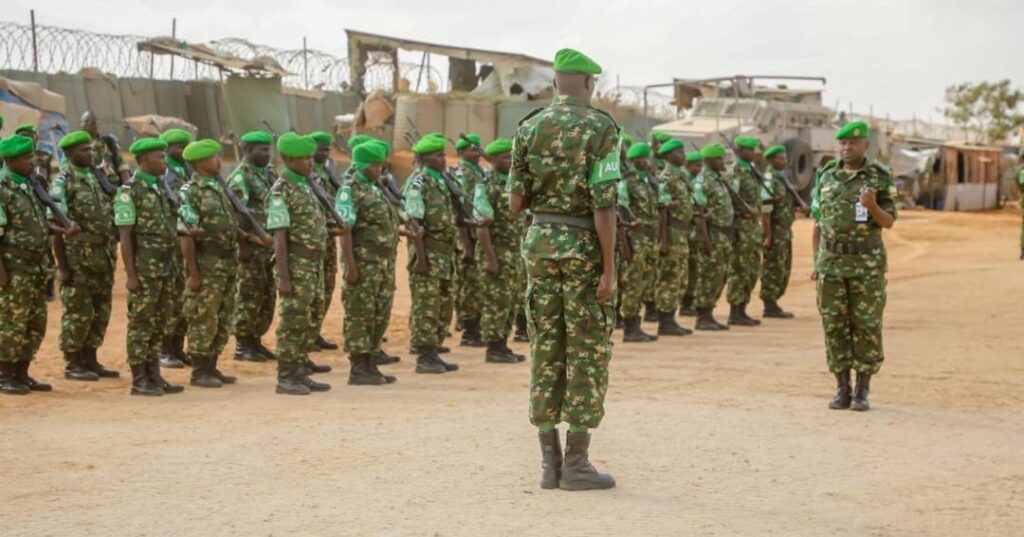
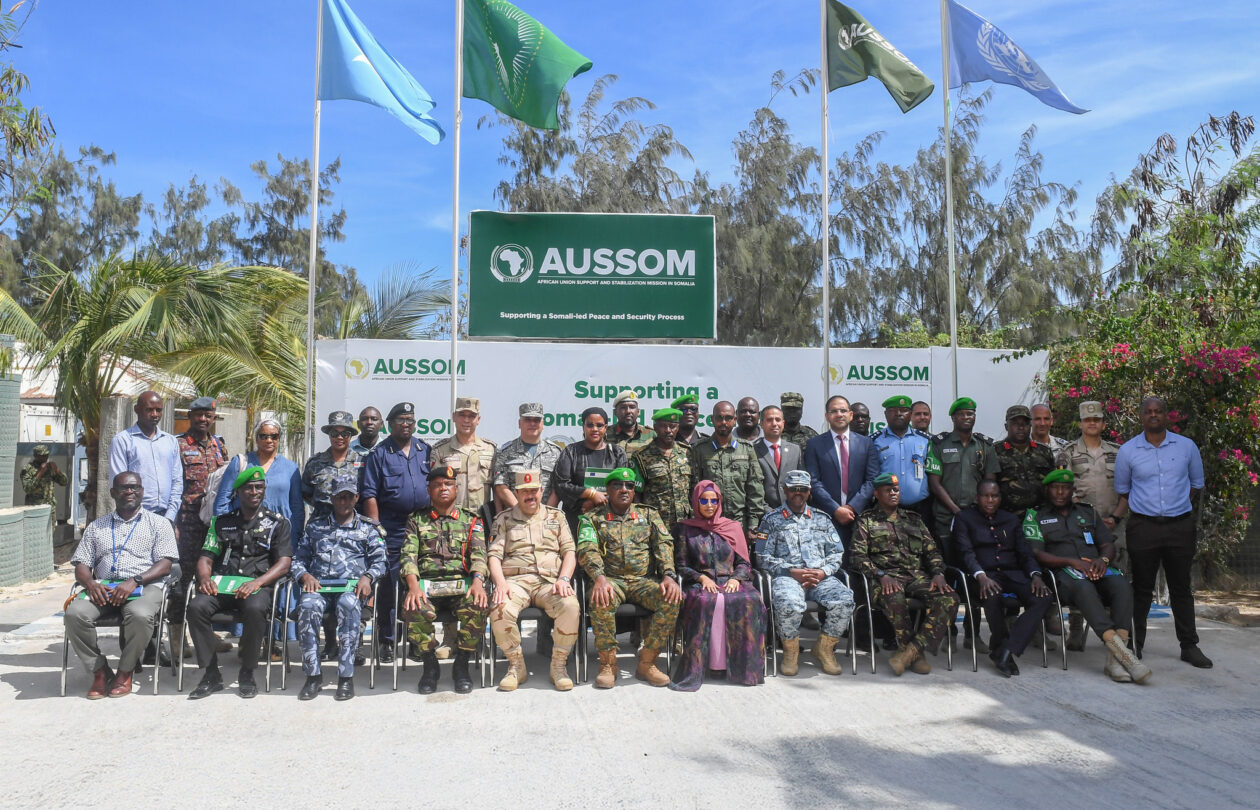
For years, foreign troops under the African Union Support and Stabilization Mission, AUSSOM, in Somalia have operated across the country. They came to help stabilize the situation and support the government. At the beginning, that support mattered. Somalia needed it. The threat of Al-Shabaab was and still is real.
But time has changed how people see things.
Across the country, many Somalis now believe that some forces within AUSSOM, especially Kenyan and Ethiopian contingents, are no longer just peacekeepers. They are shaping political outcomes. In places like Kismayo and Baidoa, local leadership appears to survive not only because of public support but because of external protection.
In Kismayo, Ahmed Madobe has remained in power for more than a decade and committed genocide against minority clans in the Middle Juba, Lower Juba, and Gedo regions. But AUSSOM calls that stability. Others see it as a system that no longer allows change to control the country. And many Argue without Kenyan forces backing the security environment in Kismayo, the political reality would not look the same.
In Southwest State, Abdi Aziz Laftagareen has also stayed in power through years of tension. Ethiopian forces operating under AUSSOM are widely seen as playing a key role in maintaining that balance. Supporters describe this as security cooperation. Critics see it as protection that shields leadership from accountability.
This is where the concern becomes serious.
When external forces influence who holds power inside a country, sovereignty begins to weaken. Leadership becomes harder to challenge, and political systems stop responding to the people.
Somalia has seen this pattern before. Not the same, but close enough. Power is concentrated in regions. Leaders are staying longer than expected. Outside actors are shaping what happens inside. It may not look like the warlord era of the past, but it carries a similar risk—fragmentation hidden behind the appearance of stability.
Today, Somalia finds itself in a difficult position. On one side, there is the ongoing threat of Al-Shabaab. On the other hand, there is growing dependence on foreign forces. One uses violence to challenge the state. The other, if not carefully managed, can slowly limit its independence. And in between, ordinary Somali citizens are left trying to understand who is really in charge.
Sovereignty cannot exist where power is managed from the outside. The Somali government must draw a clear line and speak honestly to its people about what is happening. This is not a call to reject partnerships. Somalia will always need cooperation and allies. But a partnership must not become controlled. Support must not turn into interference. Peacekeeping must not turn into political influence. If that line is not drawn, Somalia risks building a country that looks stable on the surface but is controlled underneath.
The question now is simple:
Who is shaping Somalia’s future—and who is allowing it?
