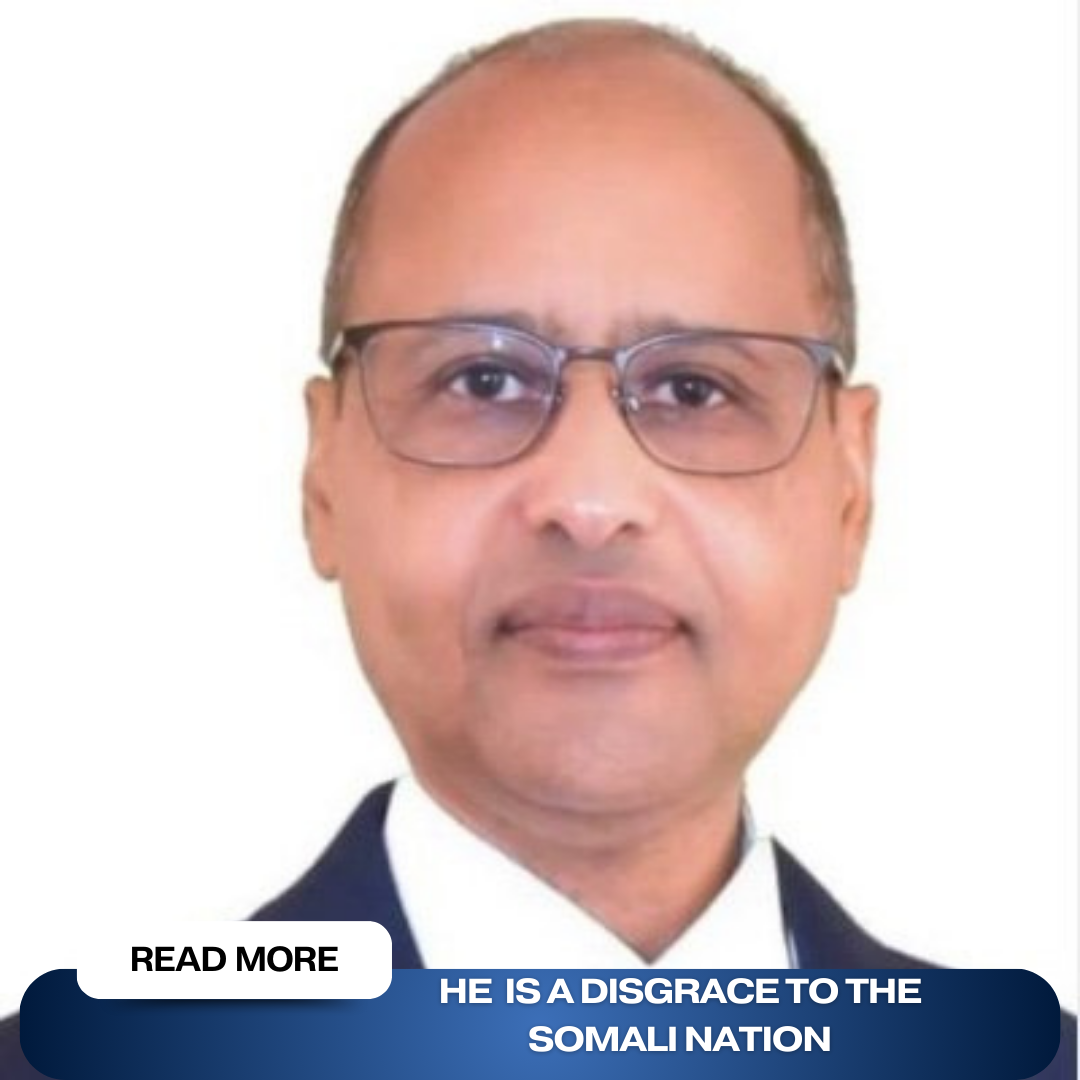
The Irony of Accusations: Dr Abdillahi Hashi Abib’s Absenteeism and Salary Collection Highlight Hypocrisy in Anti-Corruption Stance
MP Dr Abdillahi Hashi Abib recently captured public attention with a series of allegations accusing Somali government officials and international organisations of widespread corruption and misappropriation of aid funds. While Abib’s allegations touch on critical issues, a closer look reveals a concerning inconsistency between his rhetoric and actions. Despite receiving a parliamentary salary, Abib’s record shows a pattern of absenteeism, raising questions about whether he is engaged in the same misconduct he accuses others of. Critics argue that his actions of collecting a salary without fulfilling his parliamentary duties constitute a form of corruption, highlighting the irony in his accusations and weakening the credibility of his anti-corruption stance.
As a member of parliament, Abdillahi Hashi Abib is legally bound to attend sessions, participate in debates, and fulfil his legislative responsibilities. Somali law specifies that MPs are compensated for these duties, including oversight, policy review, and constituent representation. However, Abib’s repeated absences from parliamentary sessions and his continued acceptance of salary raise concerns about his commitment to his role. By accepting a salary without consistently attending parliament, Abib may be engaging in corruption himself, receiving financial benefits without providing the services his position requires.
This behaviour mirrors the very corruption he criticises, making his accusations of misconduct within government and international organisations appear hypocritical. Somali law defines corruption as the misuse of public office for personal gain, including the unauthorised collection of funds without fulfilling the required duties. In this context, Abib’s absenteeism and acceptance of public funds could be construed as an act of financial misconduct, as it involves using taxpayer money without corresponding service. For an MP to accuse others of corruption while engaging in similar practices is a contradiction that undermines his credibility and legitimacy as a public servant.
Irony and Hypocrisy: How Abib’s Actions Mirror the Alleged Corruption He Condemns
Dr. Abib’s accusations paint a picture of systemic corruption within the Somali government, portraying himself as a voice for accountability. However, his failure to engage in his parliamentary duties suggests a stark contrast between his words and actions. By collecting a salary while neglecting his legislative responsibilities, Abib’s conduct mirrors the very behaviours he condemns. This hypocrisy raises questions about his motives and the validity of his criticisms, as it suggests that his stance against corruption may be more about rhetoric than a genuine commitment to reform.
Critics argue that Abib’s failure to address his conduct weakens his accusations against government and international bodies. How can an MP who demonstrates such disregard for accountability in his role be expected to hold others to a higher standard? The public office carries an inherent responsibility to lead by example. Abib’s actions, however, create a perception of double standards, where he expects accountability from others while evading it himself. This disconnect between his anti-corruption rhetoric and his actions undermines the authenticity of his position, making his accusations appear hollow attacks rather than substantial critiques.
The Legal and Ethical Consequences of Absenteeism as a Public Official
Under Somali law, MPs must fulfil their roles with integrity, dedication, and adherence to their legislative responsibilities. Abib’s absenteeism and continued salary collection raise potential legal and ethical issues, as Somali law considers the misuse of public funds a form of corruption. For a public official, accepting financial benefits without providing the expected service constitutes a breach of public trust. It can be perceived as a violation of the principles of public office.
The act of receiving payment without performance aligns with the legal definition of corruption, which is using one’s position for personal gain at the expense of public resources. Abib’s actions could thus be interpreted as fraudulent, as he receives taxpayer money without fulfilling his obligations. For a member of parliament to engage in this behaviour not only betrays his constituents but also erodes public trust in the legislative body. Abib’s accusations against others fall flat when his conduct demonstrates a similar lack of accountability, further compounding the ethical concerns surrounding his position.
Making Allegations Without Evidence: Contributing to Public Distrust
Dr Abib’s public accusations lack supporting evidence and are presented without the rigour of formal parliamentary inquiry, further complicating his credibility. Somali law requires officials to act in good faith and avoid making baseless claims that could incite public disorder or undermine institutional stability. When Abib makes unverified claims of corruption without participating in the formal procedures his position affords, it appears that he prioritises publicity over genuine reform.
This approach harms his standing and adds to public distrust in government institutions. If Abib is genuinely committed to fighting corruption, critics argue, he should leverage his parliamentary powers to demand accountability through structured inquiry, presenting evidence and initiating reform measures. Instead, by making accusations without backing them with evidence, he risks contributing to public confusion and further eroding trust in governance. This method weakens his position as an advocate for transparency. It may even border on disinformation, as Somali law mandates that officials provide truthful, evidence-based statements to avoid misleading the public.
Upholding Accountability Begins with Leading by Example
MP Abdillahi Hashi Abib’s public accusations against alleged corruption in Somali governance raise concerns that deserve examination. However, his failure to substantiate these claims and his absenteeism and acceptance of salary without performing his parliamentary duties reveal a contradiction that undermines his credibility. Somali law defines corruption as the misuse of public office for personal gain, and Abib’s behaviour receiving taxpayer funds without fulfilling his legislative responsibilities aligns closely with this definition. This misconduct damages his credibility and highlights the irony of a public official who condemns corruption while engaging in similar practices.
For Abib’s stance to hold weight, he must first address his actions, demonstrating accountability by actively participating in parliament and fulfilling his role with integrity. True leadership requires vocal opposition to corruption and personal adherence to ethical standards. Somali citizens deserve representatives who embody the principles they advocate for and work within the governance structures to enact meaningful change. Abib’s responsibility as an MP is to uphold these values, serving as a model of transparency, commitment, and accountability. Without this foundation, his accusations risk being perceived as mere rhetoric, undermining his public servant role and weakening the anti-corruption stance he claims to support.