Turkish-Somali Cooperation Could Shape the Future of the Horn of Africa
For centuries, Somalia and Turkey have shared deep historical ties dating back to the Ottoman Empire. In the 16th century, Ottoman fleets navigated the Red Sea and the Indian Ocean, forging diplomatic and trade relationships with Somali coastal cities like Mogadishu and several rulers, including the Ajuran Empire. The Ottomans protected Portuguese expansion, creating a bond that left a lasting legacy between the two regions. Today, this relationship is seeing a modern resurgence.
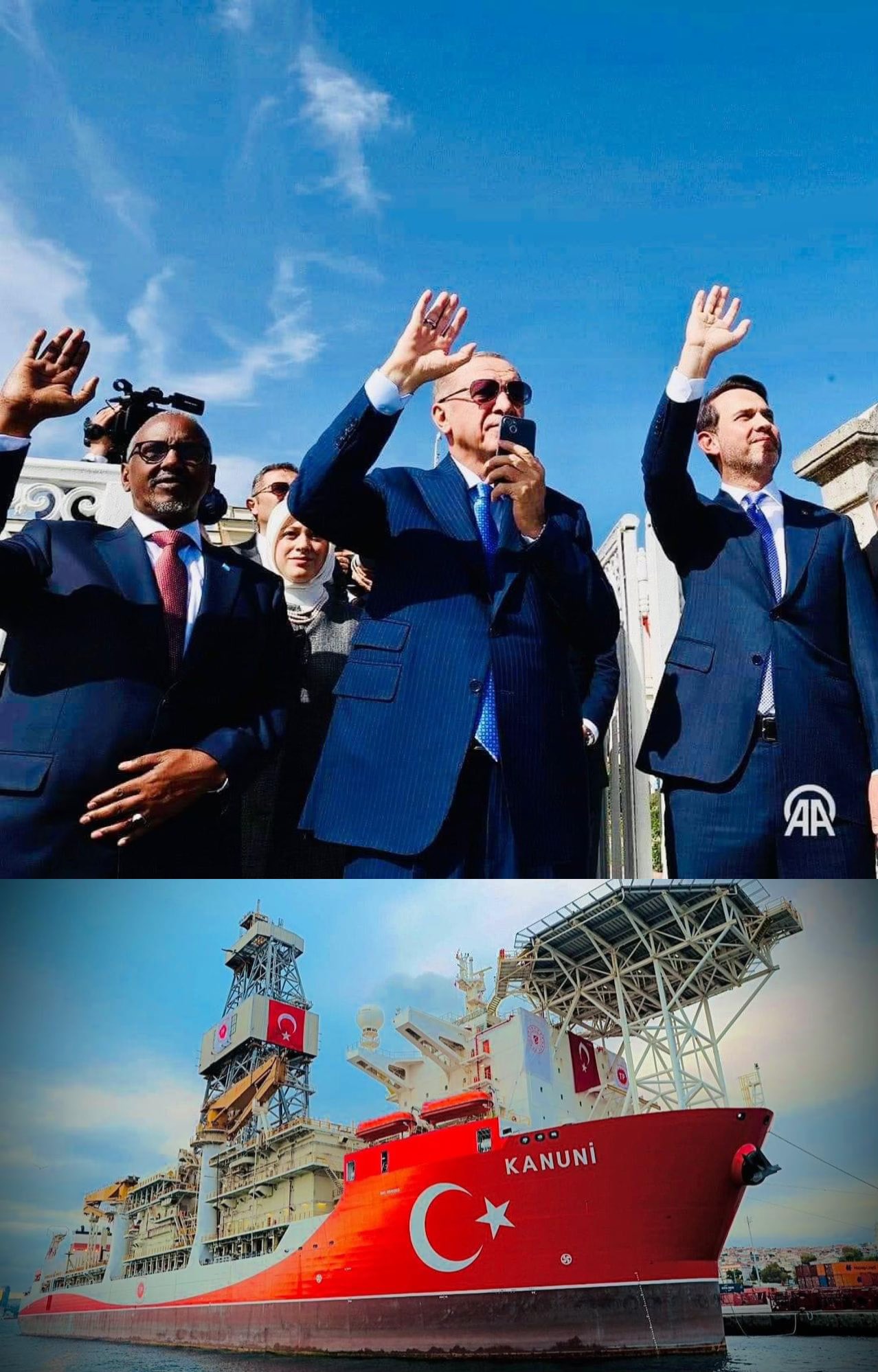
Turkey has become a significant international partner to Somalia, engaging in various sectors such as infrastructure, humanitarian aid, trade, and military cooperation. The potential deployment of TurTurkey’s Seismic research vessel, Oruç Reis, off the Somali coast could elevate this partnership to new heights, with far-reaching implications for both nations.
Economic Development Through Energy Exploration
Somalia’s underexplored coastline along the Indian Ocean holds vast potential for offshore energy reserves. Turkish-led seismic surveys conducted by Oruç Reis could uncover significant oil and gas deposits, which would have transformative effects on Somalia’s economy. The discovery of these resources would attract foreign investment, create jobs, and contribute to energy independence, a critical factor for sustainable growth. TurTurkey’s proactive involvement in this exploration positions it as a credible partner in helping Somalia unlock its natural wealth. As Somalia gains from these discoveries, its national image will shift from a fragile state to an emerging economic hub.
While Turkey strengthens its role in Somalia, it also positions itself as an emerging African power. In contrast to Western companies, which have often made empty promises of development, Turkey is seen by many Africans as a rising sun, offering genuine partnership and shared benefits. Turkey’s influence in energy exploration could make it an essential ally for other East African nations, such as Kenya and Tanzania, with similar maritime geographies. This collaboration signals Turkey’s proper commitment to the continent’s long-term development.
Beyond resource extraction, Turkey’svolvement in Somalia provides a platform for knowledge and technological transfer. Somali scientists, engineers, and policymakers could collaborate with their Turkish counterparts, learning about energy management, geophysical research, and data analysis. This collaboration would empower Somalia to take control of its natural resources in the future, helping the nation. Building a skilled local workforce would also enable Somalia to manage and distribute future resource revenues transparently and effectively, fostering long-term prosperity and reducing reliance on foreign expertise.
Moreover, the economic stability gained through energy exploration could enhance security. A more prosperous Somalia could address the root causes of instability, such as poverty and unemployment, which extremist groups like Al-Shabaab have exploited. Turkish support for Somalia’s Security forces and economic growth could weaken insurgent groups and help restore state control over areas previously dominated by militants. This would improve Domestic security and contribute to peace across the Horn of Africa.
A Changing Geopolitical Landscape
Somali political landscape of the Horn of Africa. A prosperous Somalia could take on a more prominent leadership role in regional organizations such as the Intergovernmental Authority on Development (IGAD) and mediate conflicts that have long troubled the region, including disputes between Ethiopia, Eritrea, and Kenya. Somalia’s regional location along vital shipping routes in the Indian Ocean would only increase its importance, attracting the attention of global powers competing for influence in the region.
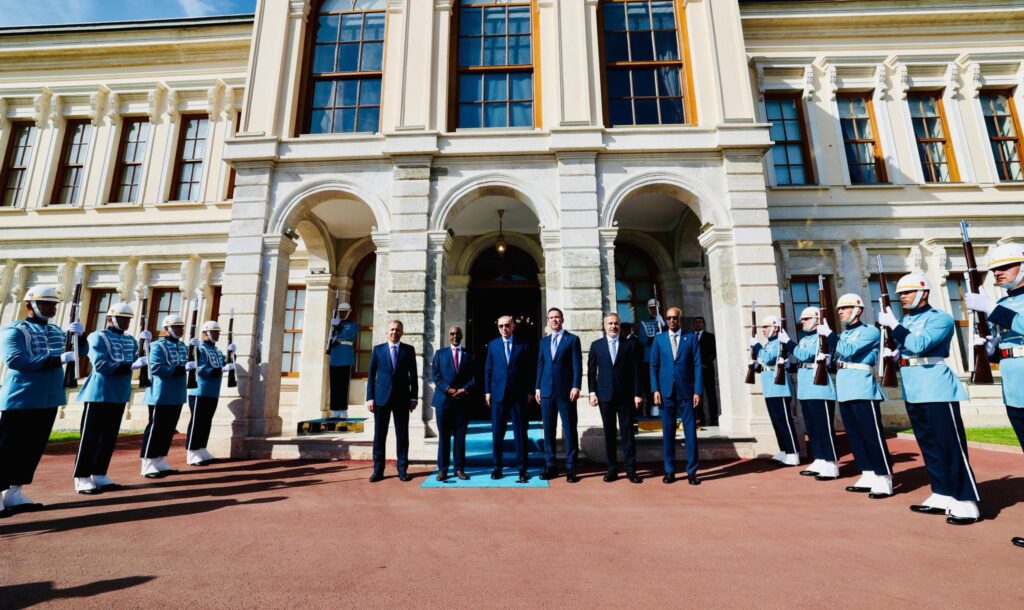
By aligning with Turkey, a nation with growing geopolitical ambitions, Somalia could expand its international diplomatic reach and settle longstanding maritime boundary disputes. Turkish investments in Somali infrastructure, energy, and security have the potential to enhance both nations’ influence while simultaneously challenging the dominance of traditional Western powers in the region. As Somalia strengthens economically and militarily, neighboring countries will likely adjust their strategies, and a new power dynamic in the Horn of Africa could emerge, potentially leading to greater regional cooperation.
The deployment of the Oruç Reis off SomSomalia’sast is more than just an energy exploration mission. It represents a broader vision of how Turkish-Somali cooperation could reshape the future of the Horn of Africa. This partnership allows Turkey to expand its influence in Africa while demonstrating its capabilities as a development partner.
For Somalia, it presents a pathway to economic independence, regional leadership, and long-term security. Together, both nations could forge a future where Somalia transitions from being viewed as a fragile state to a leading energy hub, transforming the geopolitical landscape of the Horn of Africa in the process.