• About WordPress
    • WordPress.org
    • Documentation
    • Learn WordPress
    • Support
    • Feedback
  • Log in
  • AMP
    • View AMP version
  • Edit Home Page
Close Menu
Qaran24 | Somalia News, Politics & Breaking News
  • Ethics Policy
  • Ownership & Funding
  • Authors
  • Home
  • Editorial Standards
  • Corrections Policy
  • Warka
  • News English
  • Opinion
  • Business
  • Contact Us
  • About us
  • Authors
  • Privacy Policy
  • Editorial Standards
  • Corrections Policy
  • Ethics Policy
  • Ownership & Funding
  • Authors
Categories
  • Authors
  • Awdal State
  • Business
  • Galmudug
  • Hirshabelle
  • legal opinion
  • Mogadishu
  • News English
  • Opinion
  • Puntland
  • Somalia
  • Somaliland
  • SSC Khaatumo
  • Warka
X (Twitter) Facebook
X (Twitter)
Qaran24 | Somalia News, Politics & Breaking News
  • Ethics Policy
  • Ownership & Funding
  • Authors
  • Home
  • Editorial Standards
  • Corrections Policy
  • Warka
  • News English
  • Opinion
  • Business
  • Contact Us
  • About us
  • Authors
  • Privacy Policy
  • Editorial Standards
  • Corrections Policy
  • Ethics Policy
  • Ownership & Funding
  • Authors
Saturday, August 15
Qaran24 | Somalia News, Politics & Breaking News
  • Home
  • Warka
  • News English
  • Opinion
  • Authors
  • About us
  • Contact Us
qaran24.com » Opinion » Positive Prospects of Transitioning from Parliamentary to Presidential System in Somalia
Opinion

Positive Prospects of Transitioning from Parliamentary to Presidential System in Somalia

Qaran24By Qaran2430 April 2024No Comments7 Mins Read
Facebook Twitter Pinterest LinkedIn Tumblr WhatsApp VKontakte Email
Share
Facebook Twitter LinkedIn Pinterest Email

Positive Prospects of Transitioning from Parliamentary to Presidential System in Somalia

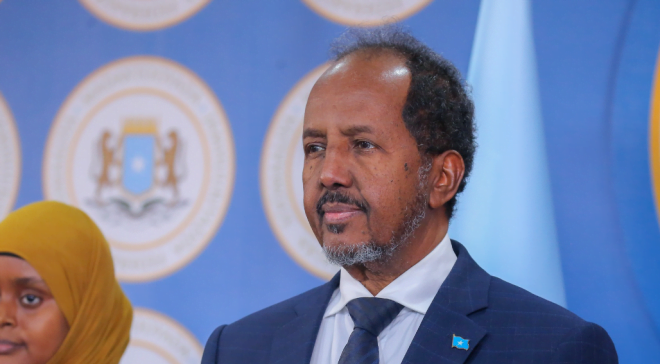
The dynamics of governance play a pivotal role in a nation’s development and stability. In Somalia, shifting from a parliamentary to a presidential system holds the promise of bolstering executive power, reducing political fragmentation, and facilitating effective decision-making. By embracing democratic principles and strengthening the presidential office, Somalia can overcome its challenges and pave the way for a brighter future. Moving from a parliamentary to a presidential system in Somalia presents an opportunity to foster democratic practices. Somalia can navigate a path towards a more prosperous and stable future, unlocking the nation’s true potential as a democratic nation. Notably, under the exceptional leadership of President Dr. Hassan Sheikh, Somalia has already achieved significant milestones such as becoming a member of EAC, the lifting of the arms embargo, and the relief of 5.2 billion in debt to 600 million. Hence, time is ripe for Somalia to embrace a presidential system in Somalia that could usher in positive change by consolidating executive power, reducing political fragmentation, and improving decision-making efficiency. By prioritizing the interests of the entire nation and empowering a unified leader, Somalia can establish a strong foundation for stability, development, and prosperity. The transition from a parliamentary to a presidential system signifies an essential step towards embracing democratic governance and securing a brighter future for the Somali people.

Introduction

The concept of democracy is widely acknowledged as the most effective form of governance, providing citizens with freedoms, opportunities, and representation. Somalia, a country plagued by years of insurgency and political instability, desperately needs a robust governmental system that can unite its people and lead the nation towards prosperity. Somalia has long faced numerous challenges in establishing a stable and effective governance system. Amidst these hurdles, there has been ongoing discussion regarding the transition from a parliamentary to a presidential system. Unfortunately, unwarranted concerns have emerged, with fears of potential dictatorship overshadowing the positive prospects of such a shift. This paper aims to dispel these notions, highlighting the compatibility of a presidential system with democratic principles and emphasizing the importance of upholding democratic values in Somali governance. This paper will delve into the benefits of a presidential system, focusing on its potential to enhance stability, promote accountable leadership, and ensure inclusivity. Additionally, it will underline the significance of safeguarding democratic principles throughout the transition, with the ultimate goal of transforming Somalia into a shining model of democratic governance.

Enhancing Stability

Transitioning to a presidential system can significantly contribute to stability in Somali governance. By facilitating direct presidential elections, this system would minimize political gridlock and prolonged disputes often seen in parliamentary systems. The frequent formation of coalitions in a parliamentary system can breed instability, while a president with a fixed term can provide consistent leadership and expedite decision-making processes. Stability serves as a crucial foundation for resolving internal conflicts, attracting investments, and fostering economic and social progress. The stable presidential system in Botswana have led to political stability and economic growth, making it one of the more prosperous nations in Africa. Botswana has a multi-party democracy, and political power is transferred peacefully through regular elections. The country has held regular elections since independence, and power has changed hands between political parties.

Reducing Political Fragmentation and Fostering Unity

The presidential system would likely reduce political fragmentation and foster unity within Somalia. The current parliamentary system has given rise to multiple political parties and coalitions, leading to constant negotiations and compromises that often hinder progress. A president elected through a direct mandate from the people would provide a unifying figure who transcends political affiliations and focuses on the nation’s interests as a whole. For example, countries like France have a strong presidential system that enables leaders to guide with a national vision, unburdened by partisan considerations. By prioritizing national unity over political factions, Somalia can strive towards a common purpose, liberating itself from the obstacles of political fragmentation.

Fostering Accountable Leadership

The presidential system offers a clear chain of accountability, essential for combating corruption and ensuring transparent governance. Through direct elections, the president becomes directly answerable to the people, thereby cultivating a strong sense of responsibility towards citizens’ welfare. Concentrating executive power in one individual facilitates greater accountability for their actions, promoting a culture of transparency. This, in turn, fuels a stronger drive to meet the aspirations and demands of the electorate. For example, the presidential system in the USA has fostered accountable leadership. The separation of different branches of government in the USA has ensured accountability by preventing the abuse of power by any one branch.

Enhance efficiency in decision-making.

The presidential system would enhance decision-making efficiency in Somalia. The current parliamentary system often leads to prolonged negotiations, making it difficult to reach consensus on critical issues. In contrast, a presidential system allows for a streamlined decision-making process, which is vital for a nation recovering from years of conflict and striving for rapid progress. Consider the case of Mexico, where a presidential system has facilitated swift responses to crises and the timely implementation of reforms. By empowering a president with decisive decision-making authority, Somalia can overcome bureaucratic hurdles, ensuring that policies are enacted swiftly and effectively.

Enhancing Separation of Powers

In a presidential system, there is generally a distinct division of authority among the executive, legislative, and judicial branches, aiming to avert the centralization of power within any single institution. Somalia would hugely benefit from the concentration of power in one institution since the current form of governance has prompted issues between the presidents and the prime ministers. Separating the powers of different components of the government would ensure each part keeps check on the other. For example, Brazil has a presidential system with a clear separation of powers, helping to maintain checks and balances in the political system.

Ensure Clarity in Governance

The presidential system in Somalia would provide a clear chain of command, reducing the likelihood of political gridlock and ensuring that decisions are made in a timely manner. For instance, Nigeria adopted a presidential system to provide clarity and stability in governance, especially in a diverse and complex political landscape. Further, implementing a presidential system in Somalia would consolidate executive power in one office. Currently, power is dispersed among various factions within the parliament, resulting in fragmented decision-making that hampers progress. Concentrating power in the hands of a president would enable swift and decisive action, ensuring the implementation of policies that address critical challenges in Somalia. For instance, the United States has successfully utilized its presidential system, as it offers clear lines of authority and accountability. The influential role of a president allows for the execution of long-term strategic plans. By centralizing executive power, Somalia can effectively tackle security concerns, promote economic growth, and attract foreign investment, ultimately fostering stability and development.

Conclusion

In conclusion, transitioning from a parliamentary system to a presidential system does not signify a move toward dictatorship, particularly within the context of Somalia’s governance. The advantages presented by a presidential system, including enhanced stability, accountable leadership, and inclusive representation, are vital for advancing societal progress and ensuring a harmonious political environment. Nonetheless, it is imperative to remain vigilant in safeguarding democratic principles throughout the transition, placing high priority on the rule of law, human rights, and institutional checks and balances. By embracing these democratic values, Somalia can navigate a path toward a more prosperous and stable future, unlocking the nation’s true potential as a democratic nation. Notably, under the exceptional leadership of President Dr. Hassan Sheikh, Somalia has already achieved significant milestones such as becoming a member of EAC, the lifting of the arms embargo, and the relief of $5.2 billion in debt. Hence, the time is ripe for Somalia to embrace a presidential system that could usher in positive change by merging executive power, reducing political fragmentation, and improving decision-making efficiency. By prioritizing the interests of the entire nation and empowering a unified leader, Somalia can establish a strong foundation for stability, development, and prosperity. The transition from a parliamentary to a presidential system signifies an essential step towards embracing democratic governance and securing a brighter future for the Somali people.

By

Abdullahi M. Hassan (Abdullahi Yabarow)

@siigaale1

Share. Facebook Twitter Pinterest LinkedIn Tumblr WhatsApp Email
Previous ArticleMidowga Yururb oo qaaday tallaabo culus oo ka dhan ah ITOOBIYA
Next Article Undemocratic Constitution: Amalgamating the Separation of Powers
Qaran24
  • Website

Related Posts

Inclusivity must protect citizens' right to participate, not give every boycotting politician the power to halt the country.

Somalia Cannot Build Democracy Around the Veto of Absence.

9 August 2026
They Predicted Mogadishu Would Fall Somalia Proved Them Wrong

They Predicted Mogadishu Would Fall—Somalia Proved Them Wrong

28 July 2026
Falanqayn uu qoray Somali Insider Warqad furan oo uu Golaha Mustaqbalka Soomaaliyeed 27-kii Luulyo 2026 u diray dalalka ciidamada iyo booliska ku biiriya Hawlgalka Midowga Afrika ee Soomaaliya—AUSSOM. Waxay daaha ka rogtay weji cusub oo uu galay khilaafka siyaasadeed ee Soomaaliya. Goluhu warqadda kuma uusan koobin madaxda Uganda, Kenya, Itoobiya, Jabuuti, Burundi iyo Masar. Nuqullo ayuu sidoo kale u diray Midowga Afrika, IGAD, waddamada Afrika ku metela Golaha Ammaanka, Maraykanka, Ingiriiska, Midowga Yurub, Turkiga iyo hay’adaha Qaramada Midoobay. Dusha sare, farriintu waa mid macquul u muuqata: in heshiis siyaasadeed oo Soomaali leedahay uu saldhig u noqdo kala-guurka amniga. Hase yeeshee, marka si taxaddar leh loo akhriyo, warqaddu wada-hadal oo keliya ma dalbanayso. Waxay beesha caalamka ka codsanaysaa inay cadaadis saarto Dowladda Federaalka, taageertana dhismaha gole ku-meel-gaar ah oo kormeera isbeddelka dastuurka iyo doorashooyinka. Halkaas waxaa ka dhalanaya su’aasha ugu muhiimsan: Golaha Mustaqbalka Soomaaliyeed muxuu matalaa, yaase awood u siiyay inuu magaca shacabka Soomaaliyeed kula hadlo dowlado shisheeye? Siyaasiyiin miisaan leh, balse aan haysan mandat dadweyne Golaha Mustaqbalka Soomaaliyeed waxaa la aasaasay bishii Oktoobar 2025. Waxaa ku mideysan Madaxweynaha Puntland Saciid Cabdullaahi Deni, Axmed Maxamed Islaam—Axmed Madoobe, Madaxweynihii hore Shariif Sheekh Axmed, ra’iisul-wasaareyaal hore iyo siyaasiyiin kale oo mucaarad ah. Kulankii Golaha ee Kismaayo waxaa ka qaybgalay Xasan Cali Khayre, Maxamed Xuseen Rooble, Cabdi Faarax Shirdoon iyo Cabdiraxmaan Cabdishakuur Warsame. Kuwani ma aha siyaasiyiin aan la aqoon. Qaar ayaa dalka soo hoggaamiyay, halka kuwo kalena ay weli maamulaan dowlad-goboleedyo. Sidaas darteed, codkooda si fudud looma iska indho tiri karo. Laakiin saameyn siyaasadeed iyo matalaad dadweyne isku mid ma aha. Goluhu weli ma uusan soo bandhigin taageeradiisa iyadoo lagu cabbiray doorasho toos ah. Siyaasiyiintiisa Muqdisho jooga kuma laha magaalada awood fulineed ama ciidan. Maamulka Jubaland awooddiisa dhabta ahi waxay inta badan ku urursan tahay Kismaayo iyo deegaanno kooban. Puntland waxay maamushaa dhul ballaaran, balse iyaduna waxay wajahaysaa muranno siyaasadeed, caqabado amni iyo cadaadis dhaqaale. Sidaas awgeed, Golaha Mustaqbalka waa isbahaysi mucaarad oo muhiim ah, laakiin ma aha hay’ad qaran oo si toos ah loo doortay. Xubnihiisu waxay leeyihiin xaq ay ku mucaaradaan, ku abaabulmaan, kuna tartamaan doorashada. Laakiin mucaaradnimadu ma siinayso awood ay si joogto ah ugu hor istaagaan xuquuqda muwaadiniinta ee ah inay codkooda dhiibtaan. Maxay warqaddu dhab ahaan dalbanaysaa? Warqaddu waxay xambaarsan tahay saddex dalab oo waaweyn. Marka koowaad, Goluhu wuxuu doonayaa in waddamada taageera AUSSOM ay kaalmadooda amni ku xiraan heshiis siyaasadeed oo cusub. Marka labaad, wuxuu ku baaqayaa in la dhiso gole ku-meel-gaar ah oo loo dhan yahay, kaas oo kormeera isbeddelka dastuurka, doorashooyinka iyo kala-guurka hay’adaha qaranka. Marka saddexaad, wuxuu ku eedaynayaa Dowladda Federaalka inay siyaasadaysay Ciidanka Xoogga Dalka iyo hay’adaha kale ee dowladda. Wuxuu sidoo kale ku doodayaa in ciidamada Puntland iyo Jubaland, oo ay weheliyaan Ciidanka Xoogga Dalka ee furimaha ku dagaallamaya, aan la siin taageeradii ku filnayd ee ay ugu baahnaayeen dagaalka Al-Shabaab iyo Daacish. Eedeymahan waa kuwo culus. Haddii ay jiraan caddeymo lagu taageerayo, waa in si madax-bannaan loo baaro. Hase yeeshee, warqaddu lafteedu ma soo bandhigayso caddeyn ku filan oo xaqiijinaysa dhammaan sheegashooyinka la jeediyay. Waxaa kaloo walaac leh in muran siyaasadeed oo gudaha ahi lagu xiro mustaqbalka hawlgalka Afrika ee la dagaallamaya argagixisada. Taasi waxay dhalin kartaa in taageerada amniga loo adeegsado qalab lagu cadaadiyo dowladda si ay u aqbasho dalabaadka mucaaradka. Khilaafka siyaasadeed waa in lagu xalliyaa wada-hadal, dastuur iyo doorasho—ma aha in lagu ciyaaro badbaadada ciidamada dagaalka kula jira Al-Shabaab. Laba aragti oo ku loollamaya mustaqbalka dalka Khilaafka maanta ka jira Soomaaliya ma aha oo keliya dagaal u dhexeeya Villa Soomaaliya iyo koox siyaasiyiin ah. Waa loollan u dhexeeya laba aragti oo kala duwan. Dowladda Federaalka waxay doonaysaa in Soomaaliya laga gudbiyo nidaamkii doorashada dadban, kaas oo xildhibaannada lagu soo xuli jiray odayaal, ergooyin kooban iyo heshiisyo qabiil. Waxay ku doodaysaa in awooddaas loo wareejiyo shacabka iyadoo la hirgelinayo qof iyo cod. 25-kii Diseembar 2025, Muqdisho waxaa ka dhacday doorashadii deegaanka ee tooska ahayd ee ugu horreysay tan iyo 1969. In ka badan 900,000 oo qof ayaa la sheegay inay isdiiwaangeliyeen, inkastoo mucaaradku dhaliilay habka loo maamulay iyo maqnaanshaha heshiis siyaasadeed oo ballaaran. Doorashooyin toos ah ayaa sidoo kale laga hirgeliyay ama loo diyaariyay qaybo ka mid ah Koonfur Galbeed, halka Galmudug ay ka socdaan ololeyaal iyo dhaqdhaqaaqyo siyaasadeed. Waxaa cad in qof iyo cod uusan hadda ahayn hadal lagu qurxiyo fagaaraha. Wuxuu yeeshay diiwaangelin, ururro siyaasadeed, musharraxiin iyo olole ay dadku ka qaybgalayaan. Golaha Mustaqbalka wuxuu qabaa in isbeddelka dastuurka iyo nidaamka doorashadu u baahan yihiin heshiis siyaasadeed oo loo dhan yahay, halkii ay Dowladda Federaalka kaligeed dejin lahayd xeerarka tartanka. Walaacaas waa in la maqlo. Doorasho aan furanayn, aan lagu kalsoonayn ama aan lahayn tartan dhab ah waxay abuuri kartaa khilaaf cusub. Qof iyo cod magac ahaan loo qabto, balse natiijadiisa hore loo sii og yahay, ma aha dimuqraadiyad. Laakiin heshiis la’aanta siyaasiyiinta looma adeegsan karo marmarsiiyo lagu sii hayo nidaam shacabka ka saaraya go’aanka dalkooda. Doorashadii dadbanayd yaa ka faa’iidi jiray? Nidaamkii dadbanaa wuxuu awoodda ku ururiyay gacanta odayaal, ergooyin, madax dowlad-goboleedyo, siyaasiyiin iyo maalgeliyeyaal. Muwaadinka caadiga ahi cod ma lahayn. Wuxuu daawanayay iyadoo mustaqbalkiisa lagu kala iibsanayo hoteello, guryo gaar loo leeyahay iyo shirar albaabadu u xiran yihiin. Nidaamkaasi wuxuu abuuray suuq siyaasadeed ay lacagtu saameyn weyn ku lahayd cidda baarlamaanka gasha. Waxa kale oo uu u furay maalgelin aan daahfurnayn—mid gudaha iyo mid dibaddaba—inay go’aamiso cidda matalaysa shacabka. Qof iyo cod keliya ma xallinayo qabyaaladda, musuqmaasuqa iyo faragelinta shisheeye. Laakiin wuxuu ugu yaraan siyaasiga ku qasbayaa inuu shacabka hor tago, codkoodana weydiisto. Taasi waa tallaabo laga soo qaaday qolalka heshiisyada laguna dhaqaaqay dhinaca waddada, xaafadda iyo sanduuqa codbixinta. Horumarka waa la dhaliili karaa, laakiin lama dafiri karo Warqadda Golaha Mustaqbalka waxay sawiraysaa dal ku jira burbur siyaasadeed, balse si yar ayay u xusaysaa horumarka ka socda Soomaaliya. Bangiga Adduunku wuxuu sheegay in Soomaaliya ay horumar ka samaysay dhismaha hay’adaha, dib-u-habeynta dhaqaalaha iyo maaraynta maaliyadda dowladda. Isla markaas, wuxuu ka digay saboolnimada, amni-darrada, isbeddelka cimilada iyo hoos u dhaca gargaarka caalamiga ah. Dhaqaalaha Soomaaliya waxaa la saadaaliyay inuu koro 2.8% sannadka 2026 iyo 3.1% sannadka 2027. Muqdisho weli ma aha magaalo dhib kasta ka gudubtay. Hase yeeshee, ganacsiga, dhismaha, maalgashiga iyo nolosha bulshada ayaa muuqata inay ka firfircoon yihiin sidii hore. Magaalo sannado badan astaan u ahayd burburka ayaa maanta si tartiib ah dib ugu soo ceshanaysa shaqadeedii caasimadnimo. Horumarkaas macnihiisu ma aha in dowladda laga aamuso khaladaadkeeda. Laakiin mucaaradnimaduna ma aha inay qofka ku khasabto inuu dafiro wax kasta oo wanaagsan oo dalka ka socda. Dowladda waa in lagula xisaabtamaa hufnaanta doorashooyinka, xorriyadda siyaasadeed, dastuurka iyo ilaalinta mucaaradka. Sidoo kale Golaha Mustaqbalka waa in la weydiiyaa: muxuu yahay qorshihiisa beddelka ahi? Yaa shacabka uga wakiishay? Sideese gole ku-meel-gaar ahi uga duwanaanayaa heshiisyadii hore ee xilalka loogu qaybsan jiray isla siyaasiyiinta? Maxay beesha caalamku Golaha ula hadlayso? Dalalka shisheeye Golaha Mustaqbalka ulama xiriiraan sababtoo ah wuxuu caddeeyay inuu haysto taageerada aqlabiyadda shacabka. Waxay ula xiriiraan sababtoo ah Soomaaliya weli waa dowlad federaal ah oo nugul, Puntland iyo Jubalandna waxay leeyihiin muhiimad juqraafiyeed iyo mid amni. Deeq-bixiyeyaashu waxay ka baqayaan in khilaafka siyaasadeed uu wiiqo dagaalka Al-Shabaab ama uu abuuro qalalaase cusub. Waa walaac la fahmi karo. Laakiin raadinta xasillooni degdeg ahi marar badan waxay Soomaaliya dib ugu celisay halkii ay ka soo dhaqaaqday. Marka dowladda dhexe isku daydo isbeddel weyn, waxaa soo noqda baaqii ahaa: “Marka hore siyaasiyiinta hala heshiisiiyo.” Natiijadu waxay noqotaa in siyaasiga awooda inuu wax carqaladeeyo la siiyo miisaan ka weyn kan muwaadinka doonaya inuu si nabad ah u codeeyo. Beesha caalamku waa inay fududeyso wada-hadalka, laakiin ma aha inay noqoto garsooraha ugu dambeeya ee siyaasadda Soomaaliya. Mustaqbalka dalka waa inuu ku xirnaadaa dastuurkiisa, hay’adihiisa iyo codka dadkiisa—ma aha raalli ahaanshaha safaaradaha. Wada-hadal haa, awood diidmo joogto ah maya Isbarbardhigga mararka qaar lagu sameeyo Suudaan wuxuu leeyahay xad. Ciidamada RSF waa ciidan hubeysan oo dagaal ba’an kula jira dowladda Suudaan, halka Golaha Mustaqbalka uu yahay isbahaysi siyaasadeed oo sharci ah. Dowladda Soomaaliya mucaaradkeeda ulama dhaqmi karto sida jabhad hubeysan. Si kastaba ha ahaatee, hal mabda’ ayaa muhiim ah: wada-hadalku ma siin karo koox aan doorasho qaran ku imaan awood ka sarreysa hay’adaha dowladda. Wada-hadalku waa inuu hagaajiyaa nidaamka, furaa tartanka, yareeyaa khilaafka oo ilaaliyaa xuquuqda mucaaradka. Waa inuusan noqon hab mar kasta lagu burburiyo hay’adaha marka siyaasiyiin awood leh ay diidaan geeddi-socodka socda. Doorashada hala saxo—yaan laga noqon Dowladda Federaalka waxaa saaran masuuliyad culus. Waa inay xaqiijisaa in doorashooyinka soo socda ay yihiin kuwo ammaan ah, daahfuran, tartan dhab ah leh, si madax-bannaanna loo kormeero. Mucaaradku waa inuu helaa xorriyad uu ku abaabulo xisbiyo, ku soo bandhigo musharraxiin, ku ololeeyo, ula socdo codbixinta, uguna gudbiyo cabashooyinka hay’ado lagu kalsoonaan karo. Haddii dowladda ay maamusho musharraxiinta, guddiyada iyo natiijada, qof iyo cod wuxuu noqonayaa magac qurux badan oo aan wax macne ah lahayn. Golaha Mustaqbalkuna waa inuu ka gudbaa shirarka siyaasiyiinta iyo waraaqaha loo dirayo dibadda. Haddii xubnihiisu aaminsan yihiin inay shacabka taageero ka haystaan, waa inay dhistaan xisbiyo, soo bandhigaan qorshe cad, una tartamaan codka muwaadiniinta. Soomaaliya uma baahna in mucaaradka la aamusiiyo. Sidoo kale uma baahna in hay’adaha dowladda loo gacan geliyo koox kasta oo awood u leh inay carqalad abuurto. Waxay u baahan tahay dowlad lala xisaabtami karo, mucaarad mas’uul ah, sharci qof walba ka sarreeya iyo muwaadin leh cod la tixgeliyo. Heshiis siyaasadeed waa muhiim. Laakiin heshiis aan shacabka cod siinayn waa heshiis siyaasiyiin—ma aha heshiis qaran. Beesha caalamku waa inay Soomaaliya ku taageertaa inay horay u socoto, halkii ay mar kasta dib ugu celin lahayd nidaamkii ay isku dayaysay inay ka gudubto. Dowladda hadda jirta waa in lagu cadaadiyaa inay hagaajiso doorashada, ee ma aha inay ka tanaasusho. Waa in la taageeraa dadaalka lagu dhammaystirayo qof iyo cod, lagu xoojinayo dagaalka Al-Shabaab, laguna dhisayo hay’ado ka cimri dheer madaxda maanta joogta. Mustaqbalka Soomaaliya laguma go’aamin karo waraaq loo kala diro caasimadaha shisheeye. Waxaa lagu go’aaminayaa codka shacabka Soomaaliyeed.

The Somali Future Council- Whom Does It Represent, and What Is It Asking of the International Community?

27 July 2026

What Defines Somali Identity: Clan, Islam, or the Modern State?

5 May 2026
Leave A Reply Cancel Reply

Don't Miss
Omar Artan: The Night Somalia’s Name Took Center Stage in Europe News English
Updated:12 August 20263 Mins Read

Omar Artan: The Night Somalia’s Name Took Center Stage in Europe

By Osman Omar12 August 202603 Mins Read

By Osman Omar On August 12, 2026, something special happened for Somalis watching football around…

Abdulkadir Mohamed Nur Elected Speaker of Somalia’s Parliament- check it His Record and the Leadership Ahead

Abdulkadir Mohamed Nur Elected Speaker of Somalia’s Parliament — check it—his Record and the Leadership Ahead. MOGADISHU

10 August 2026
Inclusivity must protect citizens' right to participate, not give every boycotting politician the power to halt the country.

Somalia Cannot Build Democracy Around the Veto of Absence.

9 August 2026
Before You Try to Reshape Somalia, Understand the Somali People

Before You Try to Divide Somalia, First Understand the Somali People

8 August 2026
Rebuilding Mogadishu or Redefining It? Urban Renewal, Security, and the Politics of Post-Conflict Somalia

Rebuilding Mogadishu or Redefining It? Urban Renewal, Security, and the Politics of Post-Conflict Somalia

7 August 2026
  • Facebook
  • Twitter
  • Pinterest
  • Instagram
  • YouTube
  • Vimeo
About Us
About Us

Qaran24 is is a reputable news website dedicated to providing accurate and timely information to its readers

Email Us: info@qaran24.com
Contact: +252-710000789

Facebook X (Twitter) Instagram YouTube TikTok
Titles
  • Authors
  • Awdal State
  • Business
  • Galmudug
  • Hirshabelle
  • legal opinion
  • Mogadishu
  • News English
  • Opinion
  • Puntland
  • Somalia
  • Somaliland
  • SSC Khaatumo
  • Warka
Recent Post
  • Omar Artan: The Night Somalia’s Name Took Center Stage in Europe
  • Abdulkadir Mohamed Nur Elected Speaker of Somalia’s Parliament — check it—his Record and the Leadership Ahead. MOGADISHU
  • Somalia Cannot Build Democracy Around the Veto of Absence.
  • Before You Try to Divide Somalia, First Understand the Somali People
  • Rebuilding Mogadishu or Redefining It? Urban Renewal, Security, and the Politics of Post-Conflict Somalia
X (Twitter)
  • Ethics Policy
  • Ownership & Funding
  • Authors
  • Home
  • Editorial Standards
  • Corrections Policy
  • Warka
  • News English
  • Opinion
  • Business
  • Contact Us
  • About us
  • Authors
  • Privacy Policy
  • Editorial Standards
  • Corrections Policy
  • Ethics Policy
  • Ownership & Funding
  • Authors
copyright @ 2024-2026. Qaran24. All rights reserved Designed by Abdikarin Dahir.

Type above and press Enter to search. Press Esc to cancel.