

The Relentless Bid: Hassan Sheikh Mohamud’s Calculated Crusade for a Third Term The relentless pursuit of power can often cloud judgment, but in this context, it reveals the depths of political ambition. In one afternoon of Feb 2022, I sat alone in a quiet corner of Sheffield University library that has been closed to the public due to covid-until recently. Working on my PhD thesis which was du efor submission in a few weeks time, the constant anxiety of the deadline made me eerily proneto worry. The relentless drive of leaders often shapes their paths, influencing their decisions in critical…
Author: Qaran24
Read More
Soomaaliya Lama Kala Jari Karo: Jawaab Cad oo Ka Dhan ah Sheegashada Gooni-Isu-Taagga Somaliland Muqdisho – Juun 202 Tan iyo 1991, maamulkii hore ee Waqooyiga Soomaaliya ee isku magacaabay “Jamhuuriyadda Somaliland” waxa uu si iskiis ah ugu dhawaaqay inuu ka go’ay Jamhuuriyadda Soomaaliya. Inkasta oo ay sheeganayaan in ay yihiin dal madax-bannaan oo xorriyaddiisa qaatay 26-kii Juun 1960, haddana arrintaasi ma haysato sal sharciyeed oo sugan oo ay ku burburin karaan midnimadii Soomaaliyeed ee dhidibada u aasantay 1-dii Luulyo 1960. Qormadani waxay si cad u muujinaysaa sababta aysan Somaliland u lahayn xaq sharci ah oo ay ku go’i karto iyada…
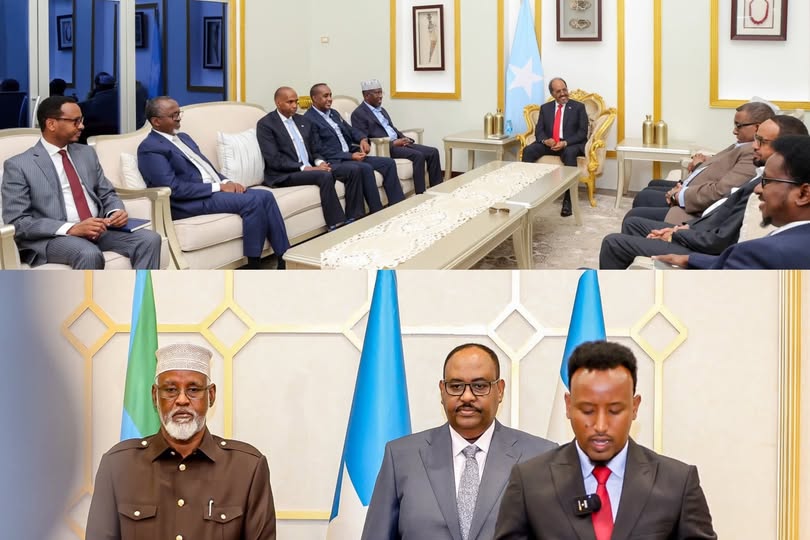
Toddobaadkan Soomaaliya waxaa ka dhacay laba shir oo is barbar yaal ah, balse leh ujeeddooyin aad u kala duwan. Mid waxaa lagu qabtay caasimadda Muqdisho, oo uu guddoominaayay Madaxweynaha Jamhuuriyadda Federaalka Soomaaliya, Mudane Xasan Sheekh Maxamuud. Kan kalena wuxuu ka dhacay magaalada Garoowe, halkaas oo ay ku kulmeen laba hoggaamiye oo isla ilmo adeer ah — Madaxweynaha Puntland Saciid Cabdullaahi Deni iyo Madaxweynaha Jubbaland Axmed Maxamed Islaam (Axmed Madoobe). Shirka Muqdisho: Wada-Tashi Qaran iyo Dimoqraadiyad Shirka ka dhacay Muqdisho wuxuu ahaa mid qaranimo u jeedkiisu ahaa. Madaxweynaha Jamhuuriyadda Federaalka Soomaaliya ayaa kulammo wadatashi ah la yeeshay dhammaan beelaha Soomaaliyeed: Dir,…
National Dialogue Launches in Mogadishu: Leaders Push for One-Person-One-Vote and Unified Somali Governance National dialogue begins in Mogadishu as leaders advocate for unity and electoral reform. The long-anticipated National Dialogue Conference officially opened this week in Mogadishu, with President Hassan Sheikh Mohamud outlining a bold roadmap aimed at strengthening Somalia’s democratic institutions and reaffirming national unity. In his keynote address, the president identified three national priorities: defeating terrorism, finalising the constitution, and implementing a one-person-one-vote electoral system. He described these goals as the foundation of a “new era of governance” for Somalia. The conference attracted a diverse array of stakeholders,…
Former UN Official’s Firm Implicated in Somali Refugee’s Murder in Kenya: Allegations A Somali refugee, 31-year-old Mohamed Ali, was allegedly abducted and murdered by Kenyan police acting on orders from Sahan Research Center, a UK-registered firm led by former UN official Mathew David Bryden (Company record here). According to Ali’s family, Kenyan police stormed their Nairobi home and took him away—he was never seen alive again. His lifeless body was later found outside the Kenyan capital, an ending they say was triggered by his refusal to cooperate with Sahan’s research gathering work in the region. These damning claims were first…
Somalia Sounds the Alarm: Taiwan’s Covert Weapon Deal Threatens to Ignite Clan War in the Horn of Africa
Humanitarian Aid in Somalia – A System of Dependency, Corruption, and Forced Displacement
The Fall of Prank States ( Somaliland and Puntland) and the Rise of SSC: Reclaiming Federal Somali
Report on the Situation of Somali Agriculture: Mismanagement, Funding Issues, and the Need for Reform Agriculture is a central component of Somalia’s economy and plays a vital role in the livelihood of its population. Despite significant international financial support, the agricultural sector faces severechallenges. Drought, floods, outdated farming methods, and widespread corruption are key factors preventing Somali farmers rom successfully marketing their products. Particularly alarming is the misuse of international aid funds, which were intended to modernize agriculture but have often been misappropriated. 1. The Importance of Agriculture in Somalia Agriculture is the backbone of Somalia’s economy and its primary source of income for the population: Contribution to GDP: Agriculture accounts for over 70% of the country’s Gross Domestic Product (GDP). Employment: Approximately 80% of the population is employed in agriculture. Exports: Over 50% of Somalia’s exports come from agricultural products, particularly livestock. Despite its importance, Somalia’s agriculture sector remains inefficient and suffers from structural deficits. International Aid Programs and Mismanagement Numerous international organizations have provided substantial…
The Truth Behind Somaliland’s Secession: Understanding Somalia’s Tribal Dynamics Somaliland separatists have presented a narrative to Generation Z and the global community, pushing for recognition as an independent state. However, the realities in the Somali Peninsula significantly contradict these claims. Historically, Somali society is structured along deeply entrenched tribal lines. When colonial powers such as the British and Italians entered Somali territories, they encountered robust clan-based governance systems. Historically, major clans like Hawiye, Daarood, Dir, and Rahanweyn controlled distinct regions. To manage the complex societal landscape, colonial administrations solidified clan-based territorial boundaries. The territory now labeled as Somaliland primarily…

President of the Federal Republic of Somalia Arrives in Cadale to Intensify the Fight Against Terrorist.